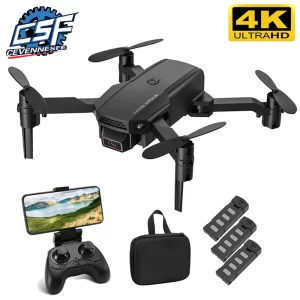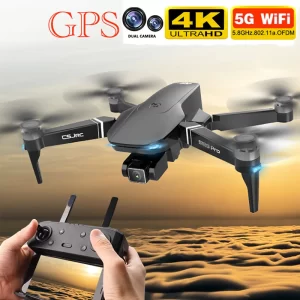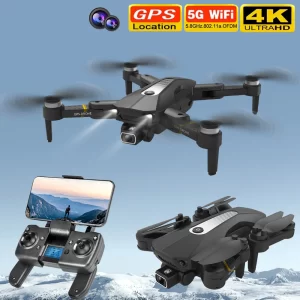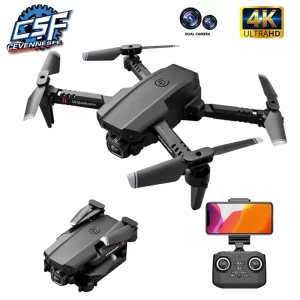
Commercial UAVs, or unmanned aerial vehicles, are revolutionizing many industries, providing cost-effective and efficient solutions to a variety of challenges. With the ability to fly and collect data in areas that are difficult or impossible for humans to access, UAVs are becoming increasingly popular in a wide range of commercial applications. In this article, we will discuss the advantages of commercial UAVs.
Cost-Effective
One of the main advantages of using UAVs in commercial applications is their cost-effectiveness. UAVs can be used to quickly and efficiently collect data, often at a lower cost than traditional methods. For example, UAVs can be used to inspect infrastructure such as bridges and power lines, reducing the need for expensive and time-consuming manual inspections.
Efficient
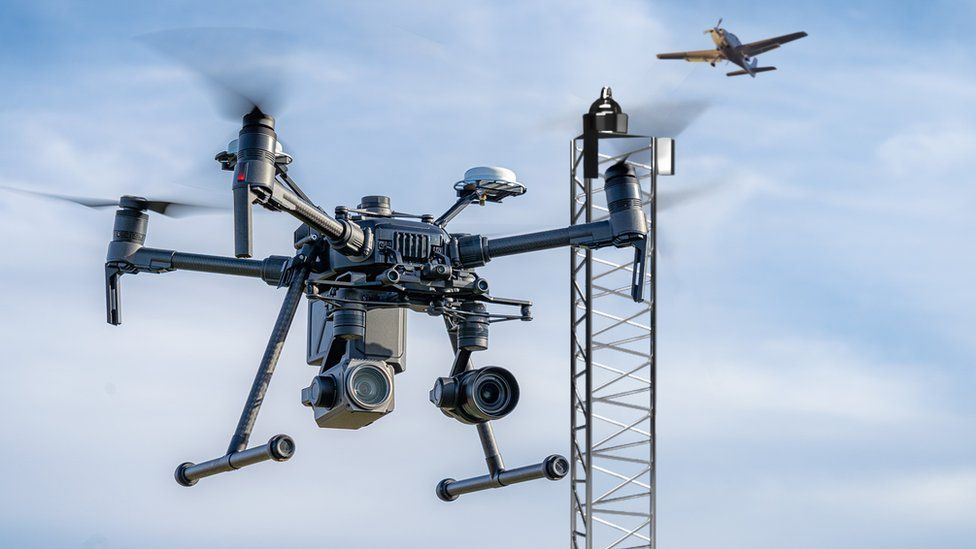
UAVs are also highly efficient, able to cover large areas in a short amount of time. This makes them particularly useful for applications such as mapping and surveying. UAVs can be equipped with high-resolution cameras and other sensors, allowing them to collect detailed data quickly and accurately.
Safe
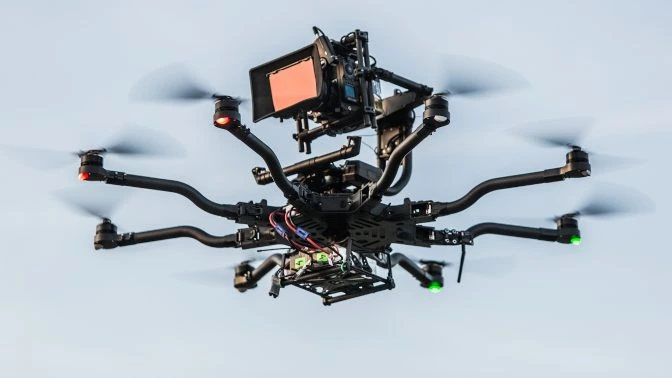
Another advantage of using UAVs in commercial applications is that they can improve safety. By using UAVs for tasks such as inspections and surveillance, humans can avoid dangerous or difficult-to-reach areas, reducing the risk of injury or other hazards.
Versatile
UAVs are also highly versatile, able to adapt to a variety of commercial applications. They can be used for tasks such as aerial photography, search and rescue operations, agricultural monitoring, and environmental monitoring. As technology continues to improve, the potential applications for UAVs will only continue to expand.
Real-Time Data
UAVs are capable of collecting real-time data, allowing businesses to make informed decisions quickly. This is particularly useful in industries such as agriculture and environmental monitoring, where real-time data can help farmers and other professionals respond quickly to changing conditions.
Accessibility
UAVs are also highly accessible, able to operate in areas that are difficult or impossible for humans to access. For example, UAVs can be used to inspect the tops of wind turbines or to survey large areas of difficult terrain. This makes UAVs particularly useful for applications where access is limited.
Reduced Environmental Impact
Finally, UAVs can also help to reduce the environmental impact of commercial operations. By using UAVs to collect data, businesses can reduce the need for manual inspections or other methods that may have a greater impact on the environment. Additionally, UAVs are often powered by electric batteries, reducing emissions and minimizing their carbon footprint.
Conclusion
In conclusion, the advantages of commercial UAVs are numerous and varied. From cost-effectiveness to safety and real-time data, UAVs are revolutionizing many industries and providing solutions to a wide range of challenges. As technology continues to improve, we can expect to see even more innovative uses for UAVs in the future.