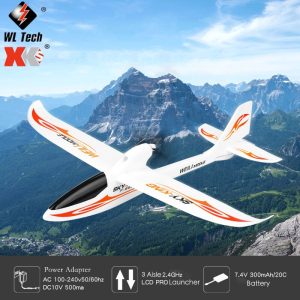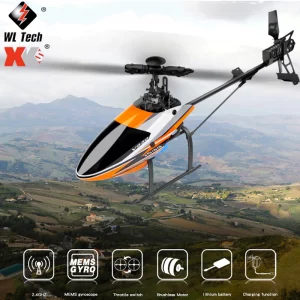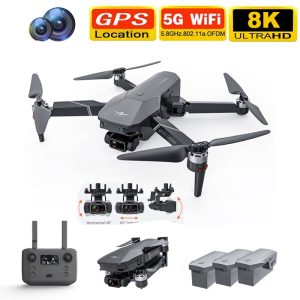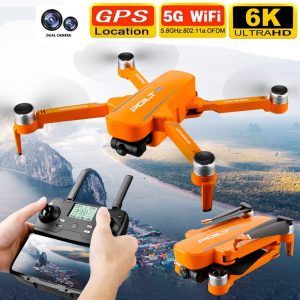
Maintaining a UAV, or unmanned aerial vehicle, is essential to ensure its safe and reliable operation. A well-maintained UAV will perform better and last longer, ultimately saving you time and money in the long run. In this article, we will discuss some of the key maintenance tasks that you should perform to keep your UAV in top condition.
Pre-Flight Check
Before each flight, it’s important to perform a pre-flight check to ensure that your UAV is in good condition. This includes checking the battery level, inspecting the propellers for damage, and verifying that the camera and other sensors are functioning properly. You should also make sure that the firmware is up to date and that the GPS signal is strong.
Clean the UAV
Keeping your UAV clean is another important maintenance task. Dirt, dust, and debris can accumulate on the UAV, potentially interfering with the sensors or affecting the flight performance. Use a soft cloth or brush to gently clean the UAV, being careful not to damage the sensors or other components. Avoid using water or harsh chemicals, as these can damage the electronics.
Inspect the Propellers
The propellers are a critical component of your UAV, and should be inspected regularly for signs of wear or damage. Look for cracks or chips in the propellers, and check that they are securely attached to the UAV. If you notice any damage, replace the propeller immediately.

Check the Battery
The battery is another critical component of your UAV, and should be checked regularly to ensure that it is functioning properly. Check the battery for signs of swelling, which can indicate that it is damaged or nearing the end of its lifespan. You should also check the battery voltage and charge level, and make sure that the battery is properly connected to the UAV.
Calibrate the Sensors
UAVs rely on a variety of sensors to navigate and collect data, and it’s important to calibrate these sensors regularly to ensure accurate readings. Follow the manufacturer’s instructions to calibrate the GPS, IMU, and other sensors on your UAV. Calibration typically involves moving the UAV through a series of predefined movements to help the sensors “learn” their environment.
Store the UAV Properly
When not in use, it’s important to store your UAV properly to protect it from damage. Store the UAV in a cool, dry place, away from direct sunlight or extreme temperatures. You should also remove the battery and store it separately, following the manufacturer’s instructions for proper storage.
Perform Regular Maintenance
In addition to the above tasks, it’s important to perform regular maintenance on your UAV. This includes inspecting the wiring and connections for damage, and checking the firmware for updates. You should also check the UAV’s documentation for recommended maintenance tasks, and follow the manufacturer’s guidelines for servicing and repairs.
Conclusion
Maintaining a UAV is essential to ensure its safe and reliable operation. By performing regular maintenance tasks, you can extend the life of your UAV and ensure that it performs at its best. Remember to perform a pre-flight check before each flight, keep your UAV clean, inspect the propellers and battery, calibrate the sensors, store the UAV properly, and perform regular maintenance tasks. By following these guidelines, you can keep your UAV in top condition and avoid costly repairs or downtime.