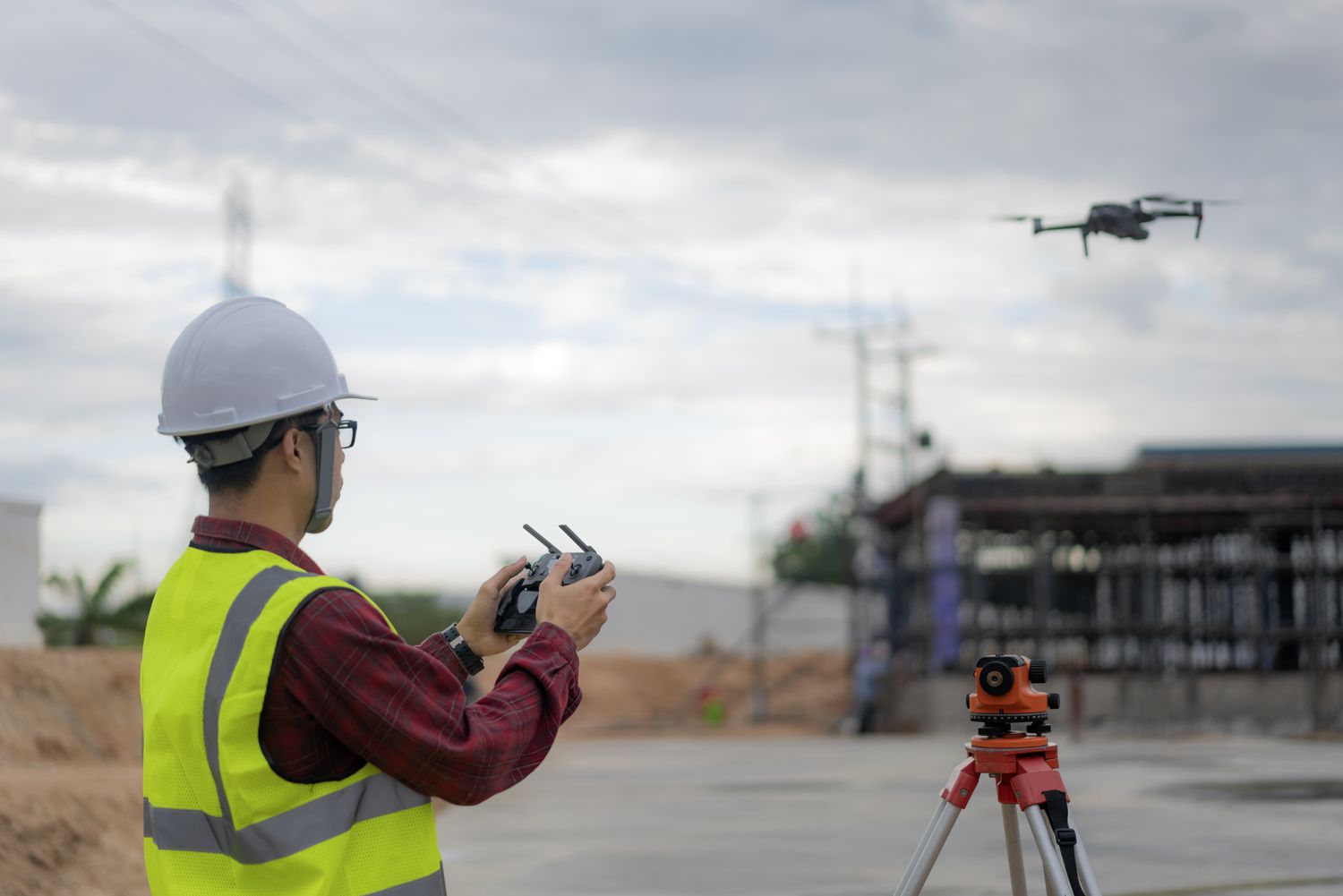
In the past few years, drones have become one of the most eye-catching architectural trends. The use of drones in this industry increased by 239% year-on-year, higher than any other commercial sector. Their data collection capabilities make it a viable tool, providing various advantages from on-site security to remote monitoring.
Especially, the advantages of drone technology have completely changed the entire project lifecycle. Manipulate drone photos, videos, and images to determine project scope, track building progress, and provide real-time updates. As the industry develops and construction projects become more complex, drones in buildings will continue to soar.
Six Applications of Drones in Architecture
With real-time data recording and unique aerial advantages, drones can improve efficiency, reduce costs, and simplify workflow. The following are some methods used by drones in buildings.
1. Topographic surveying and land survey
Consulting topographic maps is essential when planning complex large-scale construction projects. They can reveal costly errors in designs that are not suitable for terrain. Although topographic maps are useful, they are expensive and require a lot of time to produce. Therefore, the map is not always updated at the beginning of the assignment.
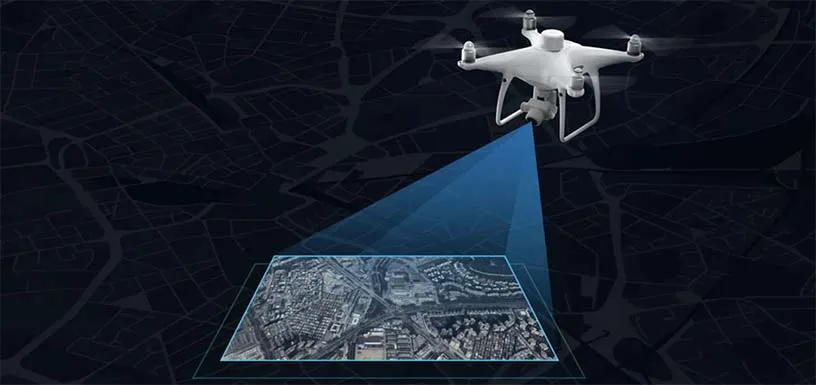
Due to the ability to draw large amounts of land, drones can exponentially reduce the time required to visualize the terrain of the site. This not only ensures that the project is progressing according to plan and budget, but also ensures accuracy before the project starts. Sending this information helps to determine feasibility and assist in design.
In addition, the high-resolution images generated by drones can be manipulated into 3D models, which can identify pre construction challenges and on-site errors in the oscilloscope, saving time and money in the long run.
2. Equipment tracking and automation
Every project manager faces a problem – remembering the location of equipment on each construction site. Usually involving a large number of lengthy spreadsheets, it quickly becomes an Excel nightmare (unless you have rental management skills).
Using drones, the same manager can fly over and quickly assess whether the equipment is in the required position. They can also quickly identify whether there are still devices on site that should be terminated, thereby avoiding expensive unexpected delay costs.
Another common issue is equipment failure. The recording function of drones can be used to remotely access ongoing issues and provide visual representations that help communicate issues. The recorded data can be easily sent to the maintenance technicians of equipment leasing companies for faster and more accurate diagnosis before they enter the work site.
3. Remote monitoring and progress reporting
Another important feature of drones in buildings is the visibility they can bring to customers. Drones can generate impressive aerial views, allowing customers to keep track of project progress, especially when they are unable to physically arrive at the site, which helps them ensure that their expenses are effectively utilized.
In addition to client communication, drones can also improve collaboration within the team. During the overpass period, drones can send information to your software. Design teams, engineers, construction managers, workers, and owners can simultaneously access data, track projects, and identify any errors that may occur. Drones can also create valuable document tracking when needed.
4. Safety supervision
If you have ever stolen a device from a website, you will realize how destructive it can be. If a boom lift or excavator is stolen, it may cost you tens or hundreds of thousands of dollars. According to Capterra, over $300 million in construction sites are stolen from construction sites every year, with less than 25% of them being reclaimed. Therefore, device safety is a very important component of management work.
The drone operator can execute the overpass and quickly check if the equipment is in a sufficiently safe position. The surveillance camera can also be used to check if there are unauthorized individuals on the website. This can prevent damage or theft long before it occurs.
5. Personnel Safety
Worker safety is one of the top priorities for many construction companies. Especially, falls account for 39% of workers’ deaths. When conducting manual measurements, workers usually have to climb to unstable heights and navigate under dangerous conditions. Drones can replace workers in these situations and reduce the risks faced by construction personnel on site.
The construction manager can also use drone cameras to monitor safety issues at the construction site, ensuring that workers are properly balanced and that there are no loose or unstable structures or equipment that may harm workers.
6. Structural inspection and photography
Replacing heavy machinery and bulky scaffolding, drones can provide important inspections. They can fly around the structure to check stability and fine details, and use high-resolution images for analysis. Thermal sensors can detect thermal leaks, cold spots, and any electrical issues. In the long run, this level of quality assurance contributes to customer relationships.
Drones can also be used for planned maintenance of large structures, such as bridges, towers, roofs, and scaffolding. The task that requires the entire team of surveyors to complete only takes a few hours with the drone operator.
Although drones in construction are not new, construction companies are adopting them faster than ever before. Whether used for land surveys or tracking equipment, drones have been proven to have immeasurable value in this field.
Drones also have direct benefits for the building lifecycle. Their abilities enable them to reduce costs, time, risks, and labor while improving workflow, accuracy, communication, and efficiency. All of these make us more confident and certain when building projects.
Although the influence of drones in the construction industry is developing, they are already changing the industry and changing the way construction projects are handled. As long as this technology can pass federal aviation and zoning barriers, it can be said with certainty that commercial drones will continue to exist.