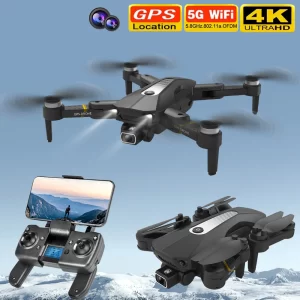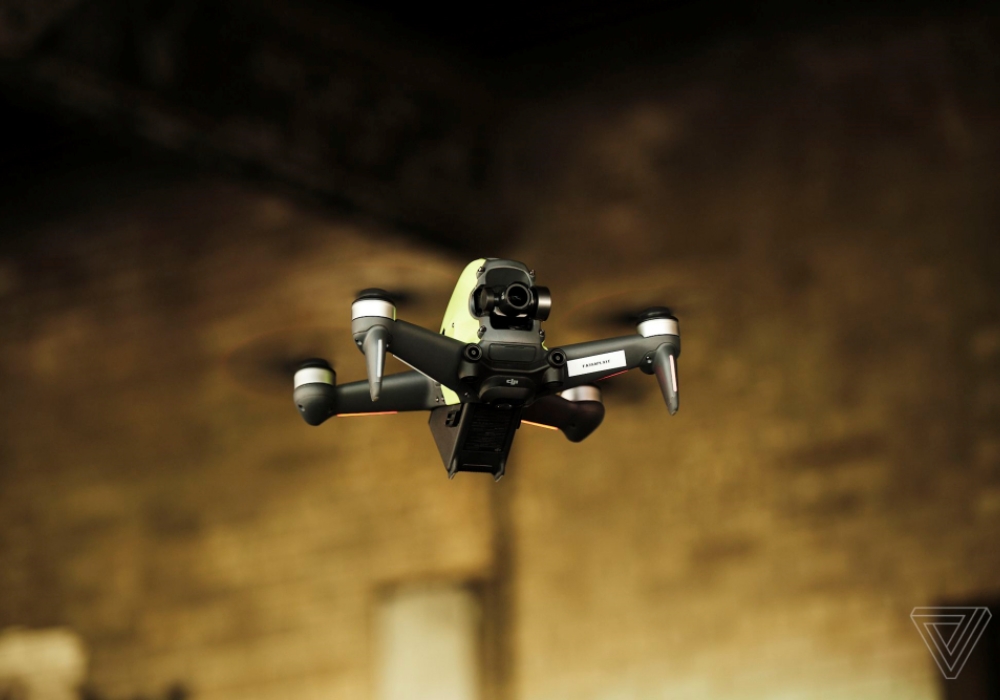
The modern agricultural landscape is evolving at an unprecedented pace, and drones are at the forefront of this revolution. These unmanned aerial vehicles (UAVs) are not just changing the way we farm; they are redefining the entire harvest process. From precision agriculture to real-time monitoring, these aerial marvels are proving to be invaluable tools for farmers seeking to meet the demands of a growing global population.
Precision Agriculture :
Drones have ushered in an era of precision agriculture by offering farmers an eagle-eyed perspective of their fields. Equipped with advanced imaging technology, drones capture high-resolution aerial images that reveal intricate details about crop health, nutrient levels, and moisture content. This data allows farmers to make precise decisions about planting, irrigation, and fertilization, resulting in optimized resource allocation and higher crop yields.
Targeted Crop Management :
Drones empower farmers to implement targeted crop management practices. They can identify and isolate specific areas of concern within a field, such as disease outbreaks or pest infestations. Armed with this information, farmers can intervene precisely, deploying resources like pesticides or herbicides only where necessary, reducing environmental impact, and preserving crop quality.
Real-time Monitoring :
One of the most significant advantages of using drones in agriculture is their ability to provide real-time monitoring. Drones can fly autonomously over fields, collecting data on crop conditions as it happens. This instantaneous feedback enables farmers to make timely decisions, responding promptly to changing weather conditions, disease outbreaks, or other threats that could jeopardize crop yield and quality.
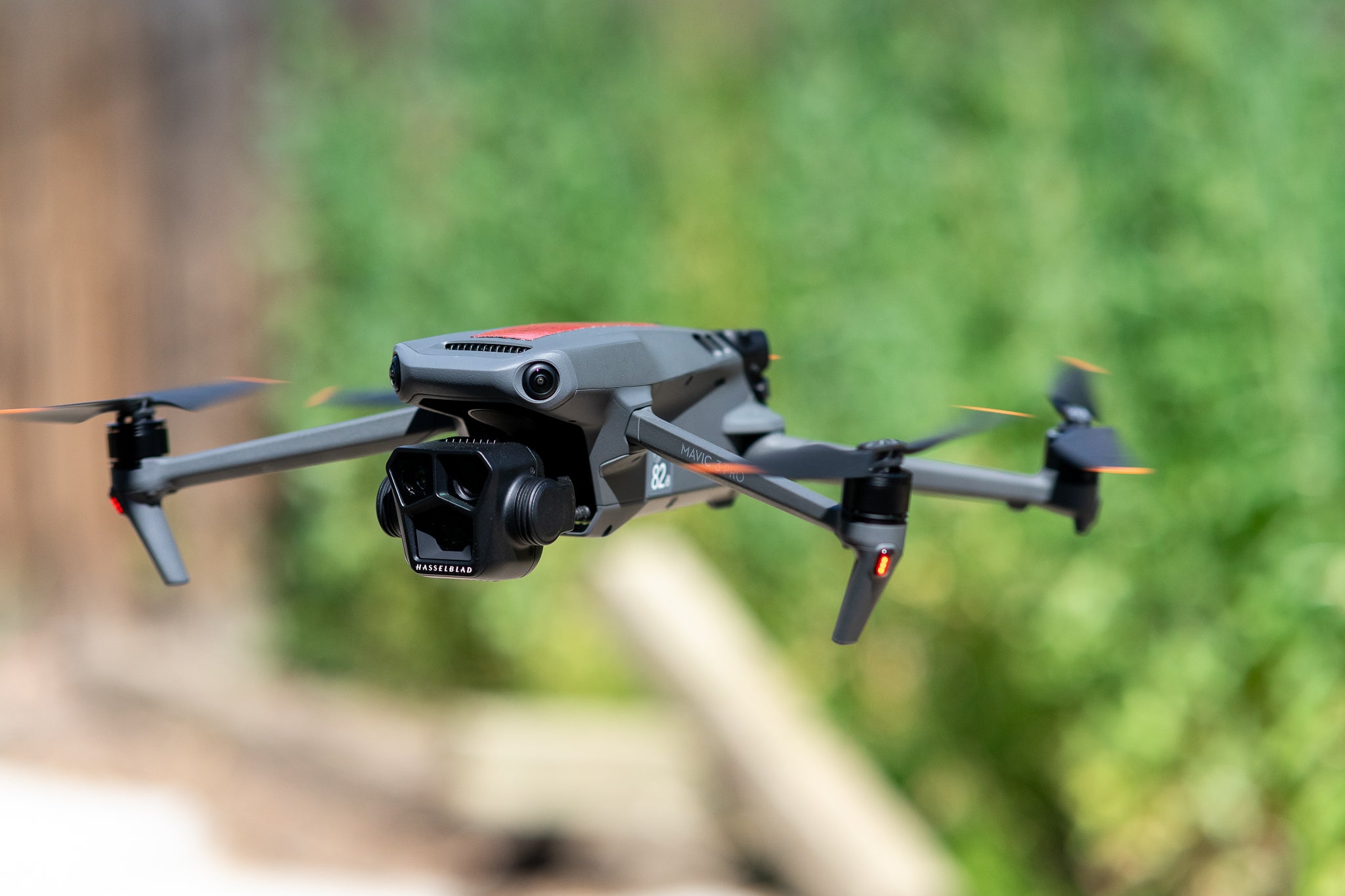
Irrigation Efficiency :
Drones equipped with thermal cameras can assess soil moisture levels with exceptional accuracy. By analyzing this data, farmers can adjust irrigation schedules and quantities to match the specific needs of their crops. Efficient irrigation not only conserves water but also prevents overwatering, which can lead to root diseases and reduced crop quality.
Early Detection of Crop Stress :
Drones excel at early detection of crop stress indicators, such as color changes or irregular growth patterns. By identifying these signs promptly, farmers can take corrective measures, whether it’s adjusting nutrient application, providing additional care, or implementing pest control strategies. This proactive approach safeguards crop quality and overall yield.
Data-Driven Decision-making :
Drones generate an abundance of data that can be analyzed to gain valuable insights. By harnessing this data, farmers can make data-driven decisions that optimize crop yield and quality. Machine learning algorithms can process the data to identify trends, predict crop outcomes, and continually refine farming practices.
As technology continues to advance, drones are becoming indispensable tools for modern farmers. Their ability to provide real-time data, enable precision agriculture, and enhance targeted crop management is revolutionizing the agricultural industry. With drones, farmers can produce higher yields, reduce resource waste, and improve crop quality. The high-tech harvest made possible by drones is not just a glimpse of the future; it’s the present reality, and it promises to play a crucial role in addressing global food security challenges in the years to come.