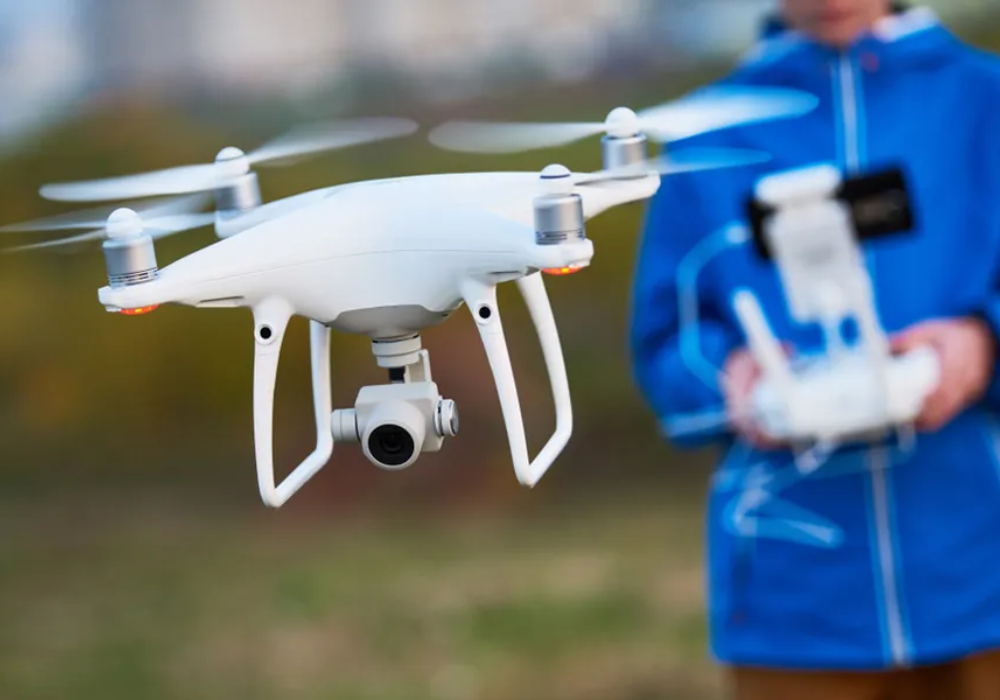
In the realm of modern technology, the process of building and assembling drones has become an exciting avenue for both hobbyists and professionals. Assembling a drone from scratch not only offers a deep understanding of its components but also grants the freedom to tailor its features to specific needs. In this article, we delve into the essential steps and considerations of drone building and assembly. From selecting components to understanding flight controllers, this journey through the basics sheds light on the fascinating world of DIY drone creation.
Selecting the Right Components :
The foundation of a successful drone assembly lies in selecting the right components. This includes choosing a suitable frame, motors, propellers, electronic speed controllers (ESCs), and a flight controller. Components should be compatible and well-matched to ensure smooth functionality. Online resources and forums provide valuable insights into the best components for different types of drones, whether they’re for aerial photography, racing, or research purposes.
Understanding the Flight Controller:
The flight controller acts as the brain of the drone, responsible for processing data from various sensors and adjusting motor outputs for stable flight. Understanding the flight controller’s capabilities and compatibility is crucial. It’s recommended to opt for a flight controller that suits your skill level, as advanced controllers might require more technical expertise to configure and tune effectively.
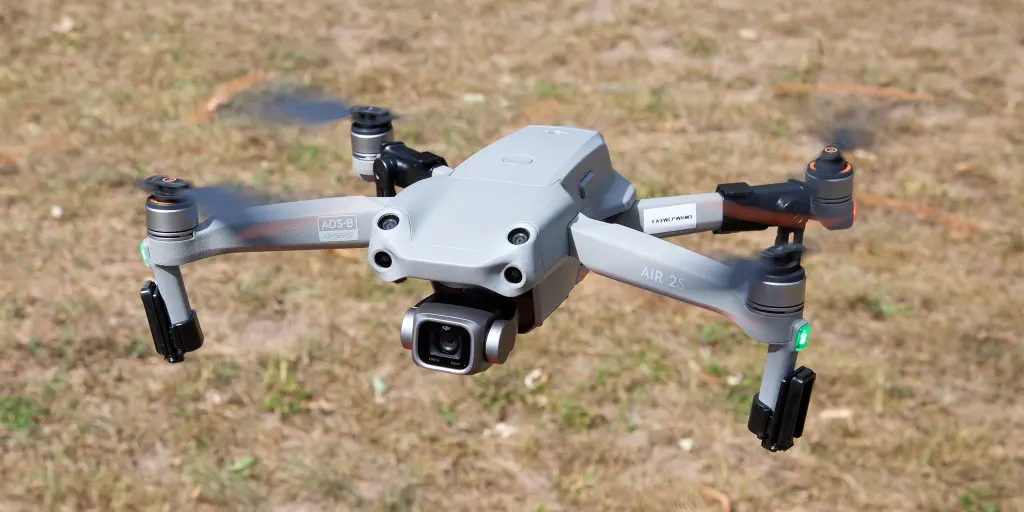
Wiring and Connections:
Assembling a drone involves intricate wiring to connect various components. Neat wiring not only enhances the drone’s aesthetics but also reduces the risk of interference and malfunction. Take care to follow the wiring diagrams provided by component manufacturers and secure the connections with proper soldering techniques. Attention to detail during this stage ensures that power is distributed correctly and minimizes the potential for electrical issues.
Propeller Installation and Motor Calibration:
Proper propeller installation is vital for ensuring balanced and stable flight. Each motor should have a corresponding propeller with the correct pitch and rotation direction. After attaching the propellers, calibrating the motors ensures they spin at the same speed, contributing to balanced thrust and stability during flight. Calibration can be achieved through software interfaces or flight controller settings.
Testing and Tuning:
Before taking to the skies, thoroughly test the drone’s various components and systems. Verify that all motors are spinning in the correct direction, and the flight controller responds to input commands accurately. Once the drone is airborne, it’s essential to fine-tune flight characteristics like responsiveness, stability, and control sensitivity. This process requires patience and trial-and-error adjustments using software interfaces.
Safety and Legal Considerations:
Safety is paramount when assembling and operating a drone. Ensure that all components are securely fastened and that the wiring is tidy to prevent potential malfunctions. Additionally, familiarize yourself with local drone regulations and airspace rules. Registering your drone, following height restrictions, and respecting no-fly zones contribute to responsible drone ownership and safe operation.
Assembling a drone from scratch opens a doorway to a world of innovation, learning, and customization. Exploring the basics of drone building not only imparts technical knowledge but also sparks creativity and problem-solving skills. The journey from selecting components to fine-tuning flight characteristics is a rewarding experience that empowers individuals to create their flying machines tailored to their preferences. By delving into the essentials of drone assembly, enthusiasts and hobbyists embrace the future of technology with hands-on expertise and the ability to turn their aerial visions into reality.