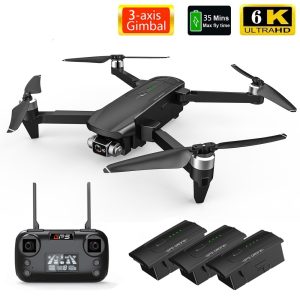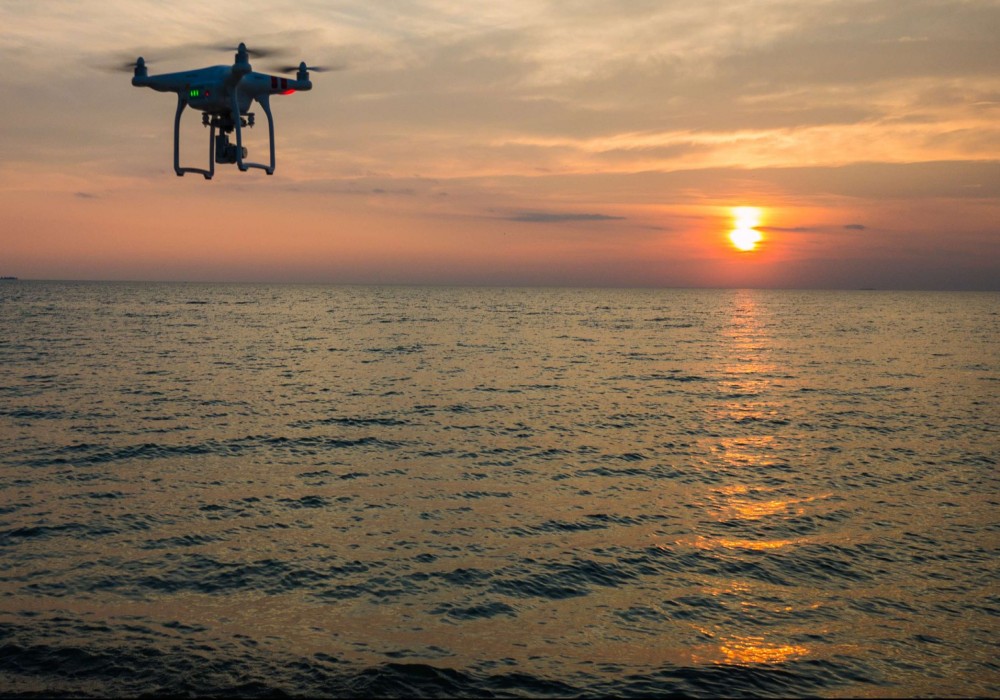
As concerns about the environment and sustainability continue to grow, innovative technologies are playing a crucial role in monitoring and safeguarding our planet. Commercial drones, with their ability to capture high-resolution imagery and collect data from previously inaccessible areas, have emerged as powerful tools for environmental monitoring. In this article, we explore the intersection of commercial drones and environmental monitoring. From assessing biodiversity and tracking deforestation to monitoring water quality and wildlife conservation, drones are revolutionizing our ability to understand and protect the environment from a new perspective.
Assessing Biodiversity and Ecosystem Health :
Commercial drones equipped with high-resolution cameras and advanced sensors are revolutionizing the assessment of biodiversity and ecosystem health. These aerial platforms provide a bird’s-eye view of vast landscapes, allowing researchers and conservationists to survey habitats and species distributions more efficiently. Drones can capture detailed imagery, which, when combined with advanced image processing techniques, enables the identification and mapping of plant species, the assessment of habitat quality, and the detection of invasive species. By providing real-time data on ecosystem health, drones help scientists make informed decisions about conservation efforts, restoration projects, and resource management.

Tracking Deforestation and Land Use Changes :
Deforestation and land use changes pose significant threats to our environment. Commercial drones equipped with multispectral or thermal sensors can monitor large-scale areas and track deforestation patterns and land use changes over time. These drones can detect changes in vegetation health, identify illegal logging activities, and provide valuable data for sustainable land management practices. The ability to capture high-resolution images and generate accurate maps allows governments, NGOs, and researchers to detect deforestation hotspots, plan reforestation initiatives, and monitor the effectiveness of conservation efforts.
Monitoring Water Quality and Coastal Erosion :
Drones equipped with specialized sensors can monitor water quality in lakes, rivers, and coastal areas. By collecting water samples, measuring parameters such as temperature, pH levels, and nutrient concentrations, and capturing imagery of water bodies, drones provide valuable insights into the health and pollution levels of aquatic environments. Additionally, drones are instrumental in monitoring coastal erosion by capturing high-resolution imagery of shorelines, tracking changes in coastline shape, and identifying areas at risk. This information aids in coastal management, the protection of sensitive ecosystems, and the implementation of measures to mitigate the impacts of climate change.
Wildlife Conservation and Anti-Poaching Efforts :
Commercial drones are transforming wildlife conservation efforts by providing innovative solutions for monitoring and protecting endangered species. Drones equipped with thermal cameras and advanced sensors can track animal movements, monitor nesting sites, and detect illegal poaching activities. These aerial platforms enable conservationists to cover large areas efficiently, gather critical data on wildlife populations, and identify potential threats. Drones also contribute to anti-poaching efforts by acting as a deterrent, as their presence can discourage illegal activities. Furthermore, drones facilitate the development of conservation strategies by providing accurate and up-to-date information on wildlife behavior and habitat conservation needs.
Conclusion :
Commercial drones have opened up new possibilities for environmental monitoring and protection. From assessing biodiversity and tracking deforestation to monitoring water quality and wildlife conservation, these aerial platforms offer unparalleled capabilities in capturing data and imagery from previously inaccessible areas. As technology continues to advance and drones become more accessible, their role in environmental monitoring is set to expand further. The integration of drones with advanced analytics and artificial intelligence holds the potential to revolutionize the way we understand and protect our planet. By leveraging the power of commercial drones, we can enhance our environmental stewardship and work towards a more sustainable future.