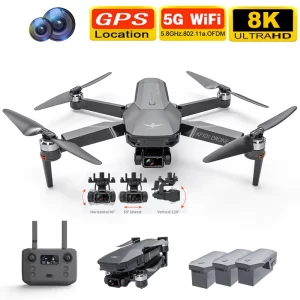
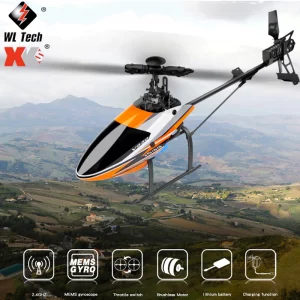
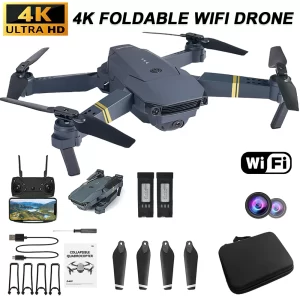
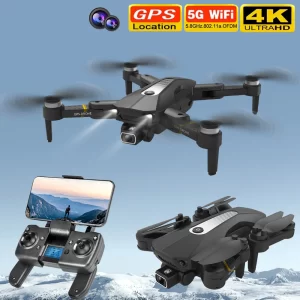
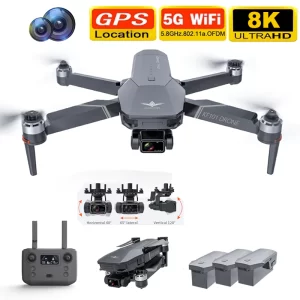
Commercial drones have revolutionized industries across the globe, transforming the way we work and offering unprecedented possibilities for businesses. These unmanned aerial vehicles (UAVs) have rapidly gained popularity and have become indispensable tools in various sectors. In this article, we explore the wide-ranging impact of commercial drones on industries, from logistics and agriculture to construction and filmmaking. We delve into their advantages, applications, and the potential they hold for enhancing productivity, efficiency, and safety in the workplace.
Logistics and Delivery :
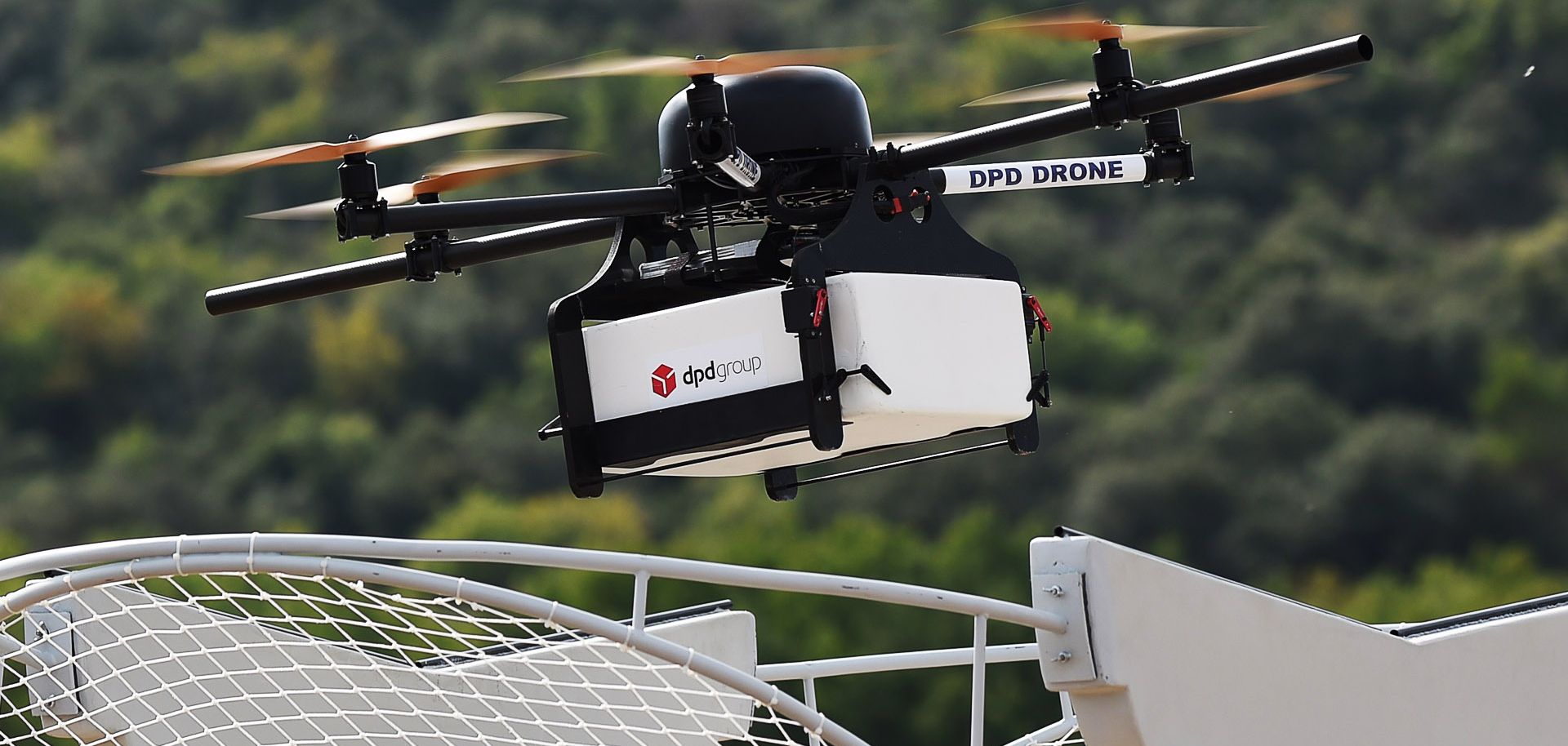
Commercial drones have disrupted the logistics and delivery industry by offering faster and more efficient transportation solutions. Drones can navigate through traffic and deliver packages directly to customers, reducing delivery times and costs. They have the potential to revolutionize last-mile delivery, especially in remote areas or during emergencies. Companies like Amazon and DHL are exploring drone delivery systems, aiming to streamline operations and enhance customer satisfaction.
Agriculture and Farming :
In the agricultural sector, drones have proven invaluable for crop monitoring, field mapping, and precision agriculture. Equipped with advanced sensors and imaging technology, drones can collect data on crop health, moisture levels, and nutrient deficiencies. This data allows farmers to optimize irrigation, fertilization, and pest control, leading to improved yields and cost savings. Drones also assist in the identification of diseased or damaged crops, enabling early intervention and reducing crop losses.
Construction and Infrastructure :
Commercial drones are transforming the construction and infrastructure industry by providing efficient surveying, mapping, and inspection capabilities. Drones equipped with high-resolution cameras and LiDAR technology can capture detailed aerial imagery, allowing for accurate topographic surveys and site assessments. They can monitor construction progress, identify potential safety hazards, and conduct inspections of hard-to-reach areas such as bridges and towers. This improves project management, reduces costs, and enhances worker safety.
Filmmaking and Photography :
Drones have revolutionized the filmmaking and photography industry, offering filmmakers and photographers breathtaking aerial perspectives and dynamic shots. With stabilized cameras mounted on drones, professionals and enthusiasts can capture stunning aerial footage and photographs that were once only possible with expensive helicopter rentals. Drones enable filmmakers to shoot cinematic sequences, capture landscapes, and document events from unique angles. The versatility and maneuverability of drones have opened up new creative possibilities in visual storytelling.
Environmental Conservation :
Commercial drones play a vital role in environmental conservation efforts. They are used for wildlife monitoring, habitat mapping, and anti-poaching initiatives. Drones equipped with thermal imaging cameras can locate endangered species, track migratory patterns, and detect illegal activities. In marine environments, drones assist in monitoring coral reefs, identifying marine pollution, and studying marine life. By providing valuable data and insights, drones contribute to the conservation and preservation of our natural resources.
Conclusion :
Commercial drones have revolutionized industries, bringing new levels of efficiency, safety, and creativity to the workplace. From logistics and agriculture to construction and filmmaking, drones have transformed the way we work and opened up exciting possibilities. As technology continues to advance, drones will become even more sophisticated, versatile, and affordable, further expanding their applications. The adoption of commercial drones is set to increase as businesses recognize the advantages they offer in terms of productivity, cost savings, and environmental sustainability. Embracing this technology will be crucial for businesses to stay competitive and adapt to the evolving demands of the modern world.