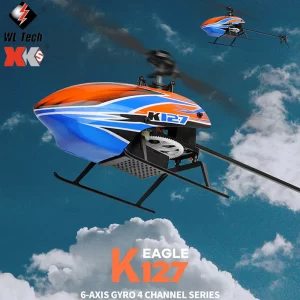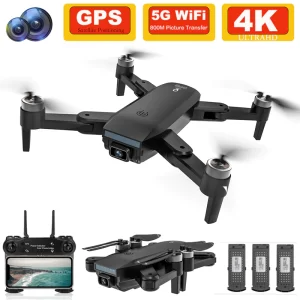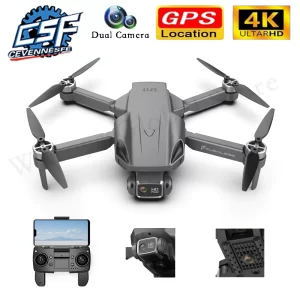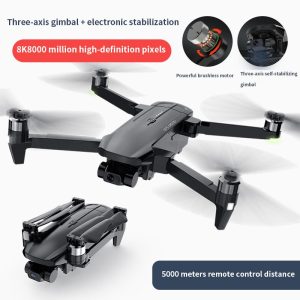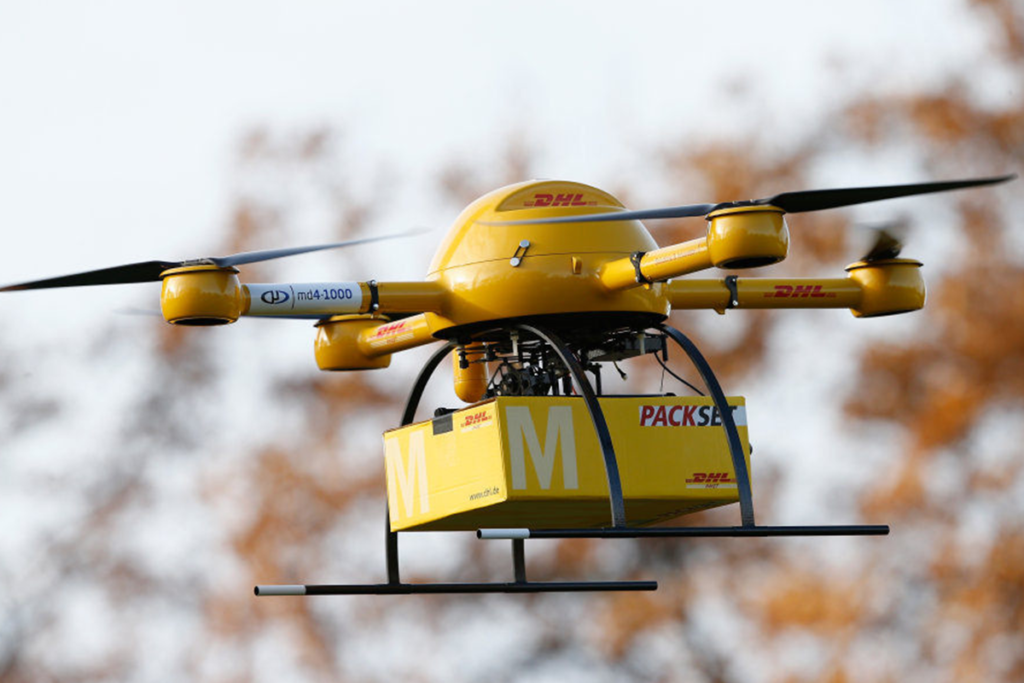
The commercialization of UAVs, or unmanned aerial vehicles, has transformed the industry from toys to tools with an increasing market demand. UAVs, also known as drones, are remote-controlled aircraft that can operate autonomously, without a human pilot onboard. Initially, they were primarily used for military purposes, but with technological advancements, they have become more accessible and affordable for commercial and civilian use. In this article, we will explore the evolution of UAVs from toys to tools, their growing market demand, and their diverse applications in various industries.
The first UAVs were developed in the early 20th century for military purposes, primarily for reconnaissance and target practice. However, it was not until the 1980s that UAVs began to be used for commercial purposes. The introduction of GPS and advancements in microelectronics and lightweight materials enabled UAVs to become more reliable and cost-effective, thus paving the way for commercial applications.
Initially, commercial UAVs were used primarily in the entertainment industry for aerial photography and videography. They were also used in agriculture for crop monitoring, mapping, and spraying. However, the use of UAVs expanded rapidly, and they became increasingly popular in industries such as construction, mining, energy, and telecommunications.
One of the significant advantages of using UAVs in commercial applications is their ability to access remote and hard-to-reach areas. They can operate in harsh environments, such as extreme temperatures, high altitudes, and hazardous conditions, without risking human lives. This has made them an ideal tool for inspection and maintenance tasks in various industries.
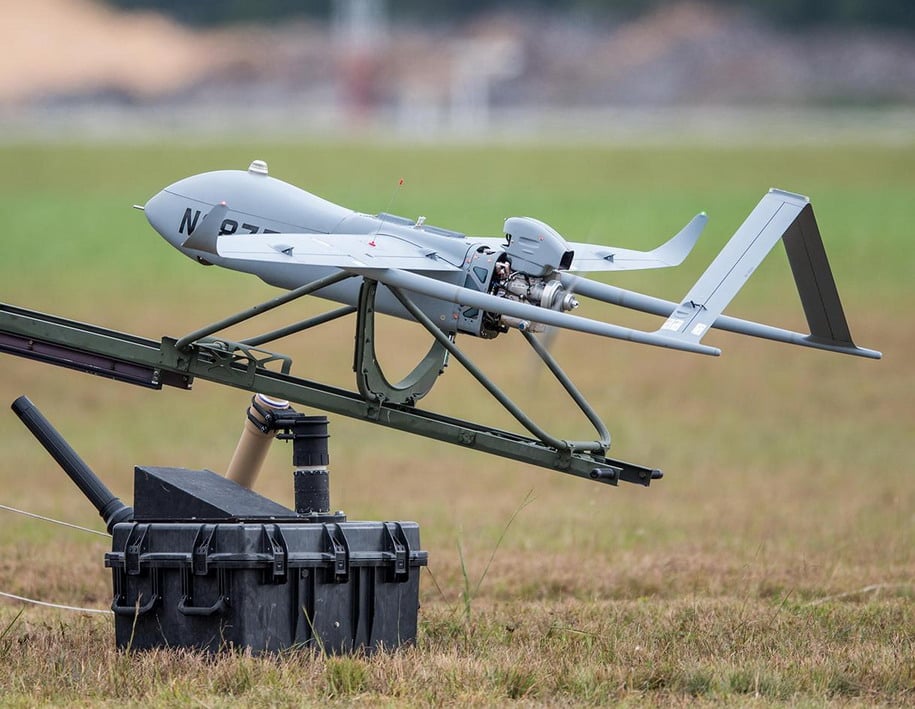
In the construction industry, UAVs are used for site surveys, mapping, and progress monitoring. They can capture high-resolution images and videos, creating 3D models that help project managers and architects to identify potential issues and improve construction processes. UAVs are also used in the mining industry for exploration, mapping, and monitoring of mines and quarries. They can provide valuable data on mineral deposits, topography, and geological structures, helping mining companies to make informed decisions and optimize operations.
UAVs are also revolutionizing the energy industry, where they are used for monitoring and inspecting power lines, wind turbines, and solar panels. They can detect potential problems and anomalies that may not be visible from the ground, allowing maintenance crews to take preventive measures before any serious issues occur. UAVs are also used in the oil and gas industry for pipeline inspection, exploration, and mapping. They can detect leaks and damages that may go unnoticed, improving safety and reducing the risk of environmental damage.
The telecommunications industry has also seen a significant increase in the use of UAVs. They are used for tower inspections, installation, and maintenance of antennas and equipment. UAVs can provide high-resolution images and videos, enabling engineers to assess the condition of towers and equipment and identify potential issues that need to be addressed. This helps to improve network reliability and reduce downtime, leading to increased customer satisfaction.
With the increasing market demand, the commercial UAV industry is expected to grow exponentially in the coming years. According to a report by Research and Markets, the global commercial UAV market size is projected to reach USD 43.1 billion by 2024, growing at a CAGR of 25.7% during the forecast period.
The growing market demand has led to the development of various types of UAVs, each with unique features and capabilities. For instance, fixed-wing UAVs are ideal for large-scale mapping and surveying tasks, while quadcopters are more suited for inspection and monitoring tasks in confined spaces. There are also hybrid UAVs that combine the advantages of both fixed-wing and multirotor UAVs, enabling them to operate in a variety of environments and conditions.
In conclusion, the commercialization of UAVs has transformed the industry from toys to tools