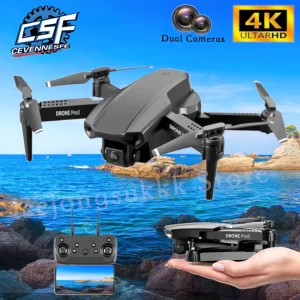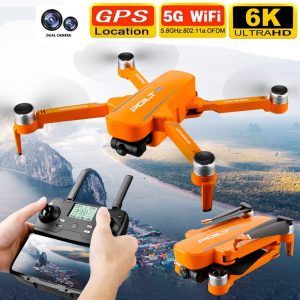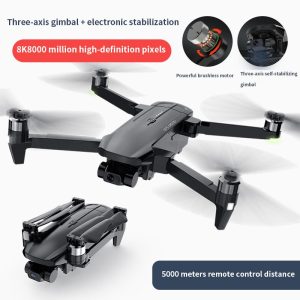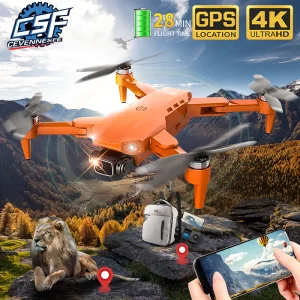
Rainy days can pose significant challenges for drone operators, as precipitation can interfere with the drone’s sensors and affect its performance. However, with the development of new technologies and techniques, drones are becoming increasingly capable of operating in rainy conditions. In this article, we will discuss the applications of UAVs in rainy days.
Challenges of Operating UAVs in Rainy Days
Rainy days can pose several challenges for drone operators, including:
Reduced visibility: Heavy rain and fog can reduce visibility, making it difficult for drone operators to navigate and maintain situational awareness.
Interference with sensors: Precipitation can interfere with the drone’s sensors, such as the camera lens and radar, affecting the drone’s performance.
Reduced flight time: Drones are typically equipped with lithium-ion batteries, which can be affected by moisture and humidity. This can reduce the drone’s flight time and make it more difficult to complete missions.
Applications of UAVs in Rainy Days
Despite the challenges posed by rainy days, drones can be used for a variety of applications, even in inclement weather. Here are some examples:
Search and rescue operations: Drones equipped with thermal imaging cameras and other sensors can be used to locate missing persons and provide real-time situational awareness to rescue teams. In rainy conditions, drones can be used to search for people who may be stranded or trapped in flooded areas.
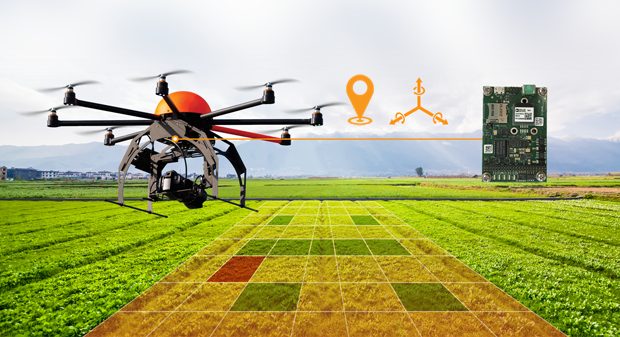
Agriculture: Drones equipped with multispectral cameras and other sensors can be used to monitor crop health and moisture levels, even in rainy conditions. This can help farmers make more informed decisions about irrigation and fertilization.
Infrastructure inspections: Drones can be used to inspect infrastructure such as bridges, dams, and power lines. In rainy conditions, drones can be used to detect leaks and other issues that may not be visible from the ground.
Environmental monitoring: Drones equipped with sensors can be used to monitor environmental conditions such as air quality and water pollution. In rainy conditions, drones can be used to monitor the flow and quality of rivers and other bodies of water.
Technologies and Techniques for Operating UAVs in Rainy Days
To overcome the challenges posed by rainy days, drone operators can use a variety of technologies and techniques, including:
Water-resistant drones: Some drones are designed to be water-resistant, with sealed components and coatings that protect the drone from moisture and precipitation.
Waterproofing: Drone operators can apply waterproof coatings to the drone’s components, such as the motors and electronics, to protect them from moisture and precipitation.
Inspections: Before operating a drone in rainy conditions, operators should inspect the drone’s components for signs of wear or damage, and ensure that all seals and connections are secure.
Fly low and slow: In rainy conditions, it’s important to fly the drone at a low altitude and slow speed to maintain situational awareness and avoid obstacles.
Conclusion
In conclusion, while rainy days can pose significant challenges for drone operators, there are a variety of applications where drones can be used to provide valuable insights and data. With the development of new technologies and techniques for operating drones in rainy conditions, it’s likely that we will see even more innovative uses for drones in the future, even in challenging weather conditions.