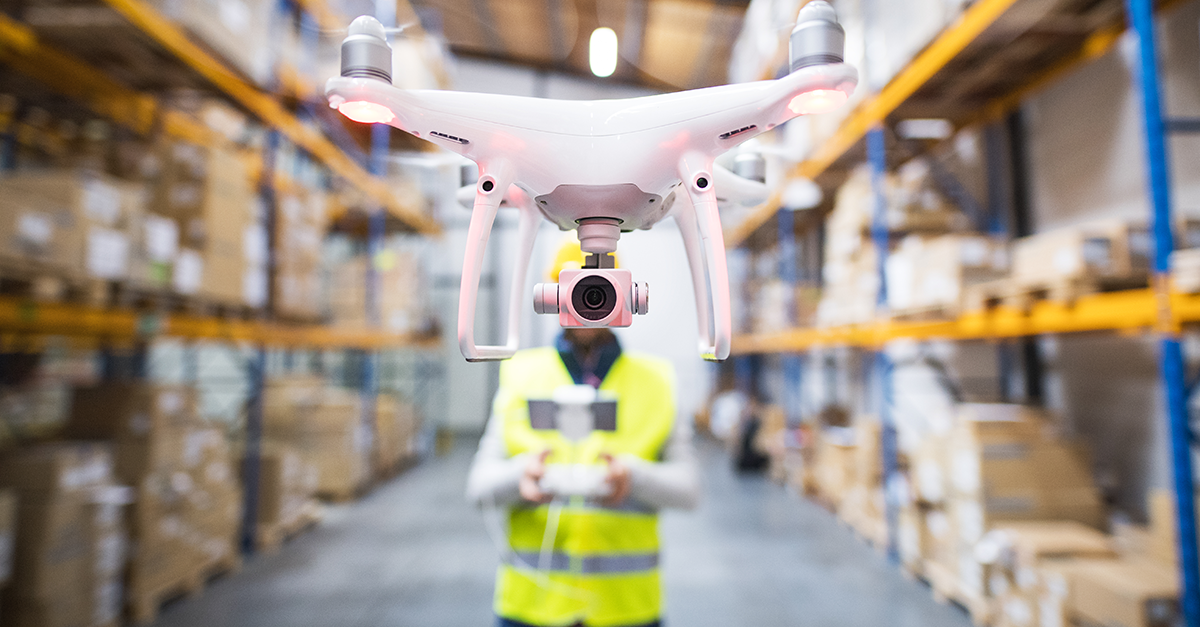
The use of unmanned aerial vehicles (UAVs), commonly known as drones, is transforming the logistics industry. With the rise of e-commerce, businesses are constantly seeking ways to streamline the delivery process to meet the ever-growing demand for fast and reliable delivery. Drones have become a promising solution for achieving these goals, with companies like Amazon and UPS investing heavily in the technology. In this article, we will explore how the commercialization of UAV delivery is revolutionizing the logistics industry and the challenges that come with it.
One of the most significant advantages of UAV delivery is speed. Drones can fly directly to the delivery location, avoiding traffic and other obstacles that traditional delivery methods may face. This allows for faster delivery times, which is a key factor in customer satisfaction and retention. In some cases, drones can even deliver packages in under an hour, offering a level of convenience that was previously impossible.
Another advantage of UAV delivery is cost-effectiveness. Drones are much cheaper to operate than traditional delivery vehicles, which require drivers and maintenance costs. This is particularly beneficial for businesses that need to make deliveries to remote or hard-to-reach areas, where the cost of transportation may be prohibitive.
The use of drones in delivery, however, is not without its challenges. One of the biggest challenges is regulatory compliance. Many countries have strict regulations governing the use of drones, which can be a hurdle for companies looking to adopt the technology. For example, the Federal Aviation Administration (FAA) in the United States requires commercial drone operators to obtain a special license and follow strict guidelines for their operation. Additionally, privacy concerns and the risk of accidents are also major considerations for the use of drones in delivery.
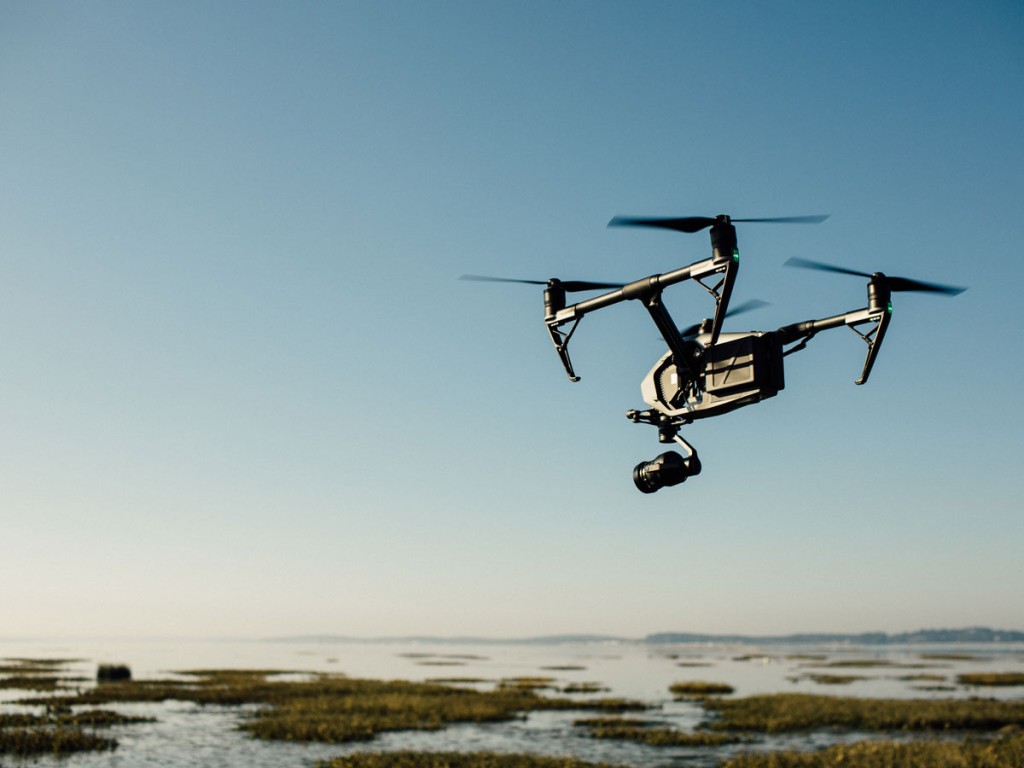
Despite these challenges, the commercialization of UAV delivery is gaining traction. In 2013, Amazon announced its plans to use drones for delivery, and since then, other companies such as UPS and Google have also joined the race. The technology is constantly improving, with drones becoming more advanced and capable of carrying heavier payloads. In the future, drones may be able to deliver groceries, medicine, and other essential items directly to customers’ doorsteps.
Another potential use of UAV delivery is in disaster relief and emergency response. Drones can quickly deliver medical supplies, food, and other essential items to areas that are inaccessible by traditional means. This can be a lifesaving solution in situations where time is of the essence.
In conclusion, the commercialization of UAV delivery is revolutionizing the logistics industry, offering faster and more cost-effective delivery options. While there are still regulatory and safety concerns to address, the potential benefits of drone delivery are too great to ignore. As the technology continues to evolve and become more widespread, we can expect to see drones play an increasingly important role in the delivery of goods and services around the world.