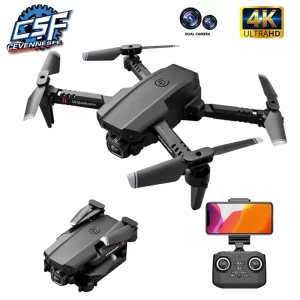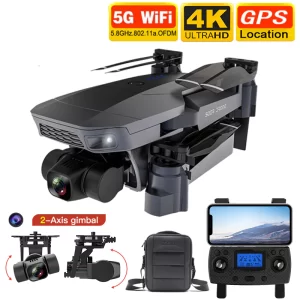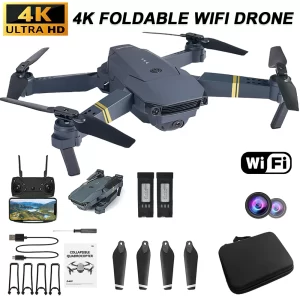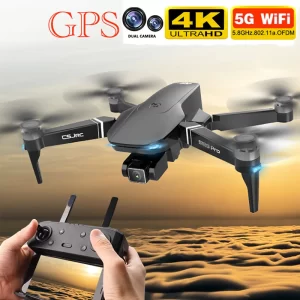
Unmanned aerial vehicles (UAVs), commonly known as drones, have been gaining popularity in recent years due to their various applications in different fields. However, despite their usefulness, there are some circumstances in which UAVs cannot be used. This article will explore some of these situations and the reasons why UAVs cannot be used.
Airspace restrictions
One of the main reasons why UAVs cannot be used is airspace restrictions. In most countries, the use of UAVs is regulated by civil aviation authorities, and they have set rules and regulations regarding where and when UAVs can be flown. For instance, UAVs are prohibited from flying near airports or in areas designated as no-fly zones, such as military bases and national parks. This is to avoid any potential conflicts with manned aircraft and to ensure public safety.
Weather conditions
Another factor that can prevent the use of UAVs is weather conditions. UAVs are vulnerable to strong winds, rain, and other adverse weather conditions, which can affect their flight stability and cause them to crash. In addition, some UAVs are not designed to operate in extreme weather conditions, such as high winds, lightning, or heavy rain.
Battery life
UAVs are powered by batteries, which means they have a limited flight time. The battery life of a UAV depends on several factors, including the weight of the UAV, the payload it’s carrying, and the weather conditions. In some cases, the battery life of a UAV may be insufficient to complete a mission, which can limit its use.

Technical failures
Like any other electronic device, UAVs can experience technical failures, which can prevent their use. Technical failures can be caused by various factors, including software bugs, hardware malfunctions, and communication issues. To prevent technical failures, regular maintenance and checks are necessary.
Privacy concerns
UAVs equipped with cameras or other sensors can potentially violate privacy rights. For example, if a UAV is flown over private property, it may capture images or video footage of individuals without their consent. In many countries, the use of UAVs for surveillance purposes is strictly regulated, and in some cases, prohibited.
Legal restrictions
Finally, there are legal restrictions that may prevent the use of UAVs. In some countries, the use of UAVs is heavily regulated, and individuals or companies may require special licenses or permits to operate them. Failure to comply with these regulations can result in fines or legal action.
In conclusion, while UAVs have numerous applications, there are situations in which they cannot be used. Airspace restrictions, adverse weather conditions, limited battery life, technical failures, privacy concerns, and legal restrictions are some of the factors that can prevent their use. It is important to be aware of these limitations when considering the use of UAVs and to comply with regulations to ensure their safe and legal operation.