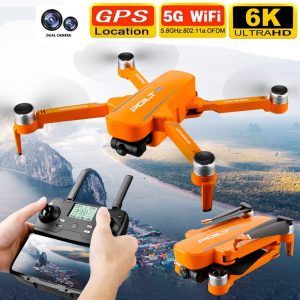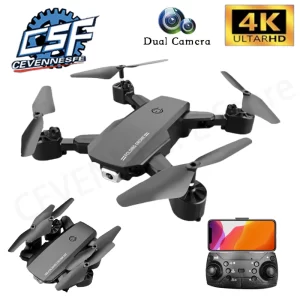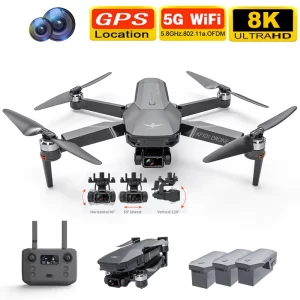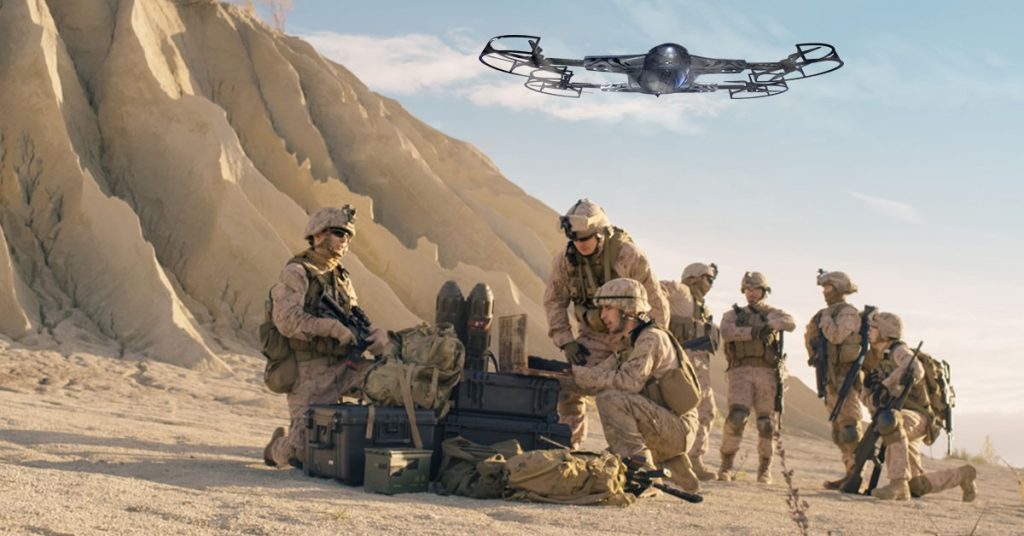
In recent years, unmanned aerial vehicles (UAVs), also known as drones, have been increasingly used in disaster relief and emergency response operations. These versatile tools offer a range of benefits, from providing real-time situational awareness to delivering essential supplies to hard-to-reach areas. This article will explore the role of UAVs in disaster relief and emergency response, and highlight some of the challenges that come with their use.
One of the main benefits of UAVs in disaster relief and emergency response is their ability to quickly provide real-time situational awareness. When disaster strikes, the immediate concern is often determining the extent of the damage and identifying any hazards that may be present. UAVs equipped with high-resolution cameras and other sensors can quickly provide a bird’s eye view of the affected area, allowing responders to assess the situation and plan their response accordingly.
Another benefit of UAVs in disaster relief and emergency response is their ability to deliver essential supplies to hard-to-reach areas. In the aftermath of a disaster, roads may be blocked, bridges may be down, and other infrastructure may be damaged or destroyed. This can make it difficult or even impossible for traditional relief efforts to reach those in need. UAVs can fly over these obstacles and deliver supplies such as food, water, and medical equipment to those who need it most.
UAVs can also be used to map disaster-affected areas, which is useful for a range of purposes. For example, responders can use the data to prioritize search and rescue efforts, identify areas that require immediate attention, and plan for longer-term recovery efforts.
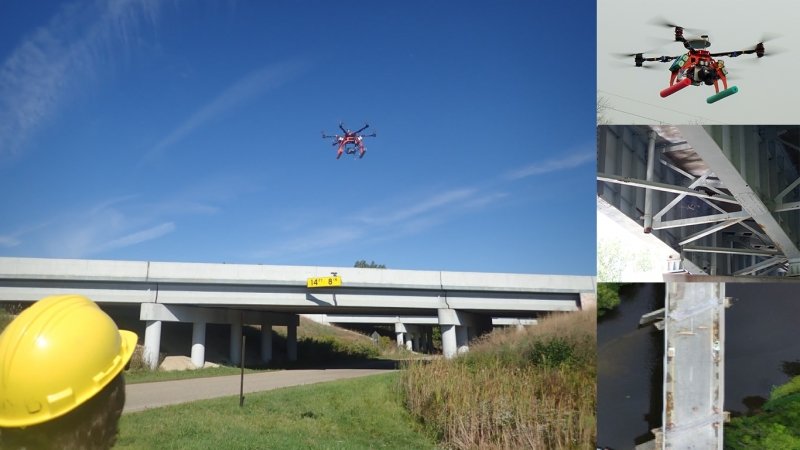
Despite these benefits, there are also challenges associated with the use of UAVs in disaster relief and emergency response. One of the biggest challenges is ensuring that UAVs are operated safely and do not interfere with other relief efforts. For example, if a UAV is flying in the same airspace as a helicopter or other aircraft, it could pose a danger to those onboard and on the ground. It is therefore important to establish clear guidelines and protocols for the use of UAVs in disaster relief and emergency response.
Another challenge is the limited flight time of most UAVs. While some drones can stay aloft for several hours, others have much shorter flight times. This can make it difficult to provide sustained coverage of disaster-affected areas, particularly in situations where multiple UAVs are required to cover a large area.
Finally, there is the issue of privacy. UAVs equipped with cameras and other sensors can potentially capture sensitive information, such as the location of survivors or the extent of damage to buildings. It is important to establish clear guidelines and protocols for the collection and use of this data, and to ensure that individuals’ privacy rights are protected.
Despite these challenges, the use of UAVs in disaster relief and emergency response is likely to continue to grow in the coming years. As UAV technology continues to improve and become more affordable, it is likely that we will see an increasing number of UAVs deployed in disaster relief and emergency response operations. By carefully managing the risks and challenges associated with their use, we can harness the power of UAVs to help those in need and make disaster response more efficient and effective.