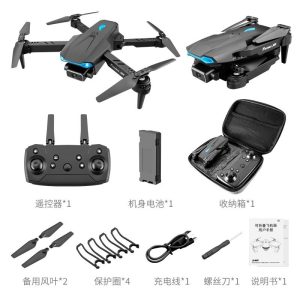
Unmanned Aerial Vehicles (UAVs), also known as drones, have become increasingly popular in recent years due to their ability to perform a variety of tasks in various industries. However, with their increased use, concerns about the ethical implications of their use have also arisen. This article will explore the ethics of UAVs, including issues related to privacy, security, and innovation.
Privacy is one of the main ethical concerns associated with UAVs. With the ability to capture high-resolution images and video, drones can easily violate an individual’s privacy by capturing footage of them without their consent. This is particularly concerning in residential areas, where drones can fly over private property and capture footage of individuals in their homes or backyards. There have been numerous reports of drones being used for voyeuristic purposes, such as peeping into windows or spying on individuals. Such actions are a clear violation of an individual’s right to privacy and are therefore ethically unacceptable.
Another ethical concern associated with UAVs is security. While drones can be used for a variety of beneficial purposes such as delivering medical supplies or conducting search and rescue operations, they can also be used for nefarious purposes such as smuggling drugs or weapons. In addition, drones can be used for espionage, allowing individuals to gather sensitive information from high-security areas. Therefore, it is crucial to regulate the use of drones to ensure they are not used for malicious purposes.
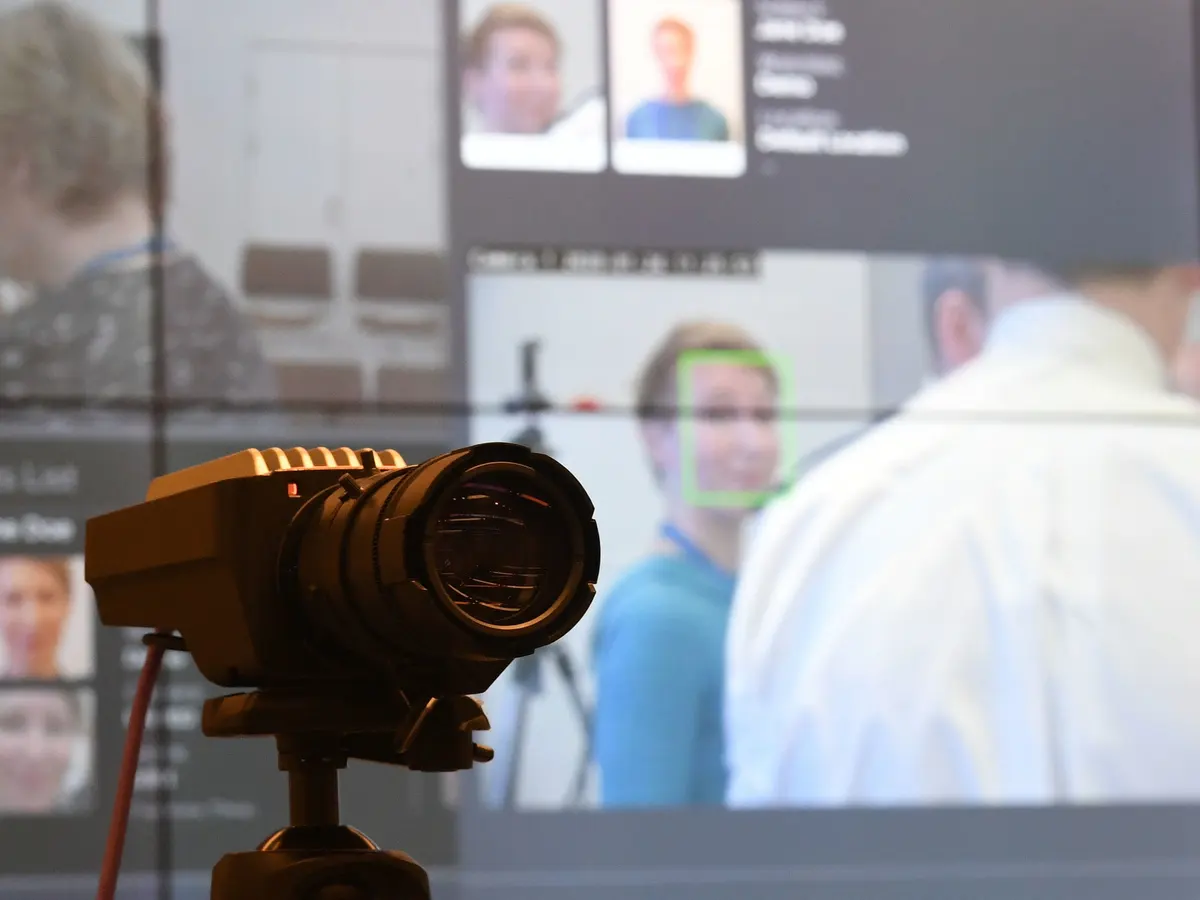
Innovation is another ethical concern associated with UAVs. While UAV technology has the potential to revolutionize various industries, such as agriculture and logistics, it also has the potential to displace workers and create new forms of inequality. For example, if drones are used to deliver packages instead of human workers, it could lead to job loss in the delivery industry. In addition, if drone technology is only accessible to those with financial means, it could create a new form of inequality. Therefore, it is important to consider the impact of UAV technology on society as a whole and to ensure that it benefits everyone, not just a select few.
To address these ethical concerns, it is necessary to establish regulations and guidelines for the use of UAVs. For example, laws can be enacted to ensure that drones are not flown over private property without the owner’s consent, and penalties can be put in place for individuals who use drones for voyeuristic or malicious purposes. Additionally, it is important to establish regulations to ensure that drone technology is used in an ethical and responsible manner. For example, regulations can be put in place to ensure that drones are not used for espionage or to smuggle illegal goods.
Furthermore, it is important to consider the potential benefits of UAV technology, such as improved crop yields, reduced delivery times, and faster search and rescue operations. These benefits can be achieved while still addressing ethical concerns by developing technology that is designed to minimize privacy and security risks.
In conclusion, the use of UAVs raises a number of ethical concerns related to privacy, security, and innovation. While UAV technology has the potential to revolutionize various industries, it is important to ensure that it is used in an ethical and responsible manner. This can be achieved by establishing regulations and guidelines for the use of drones, while also considering the potential benefits of UAV technology. By balancing the need for innovation with the need to protect privacy and security, we can ensure that UAVs are used in a manner that benefits society as a whole.