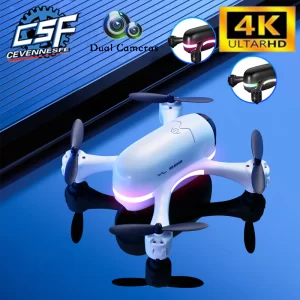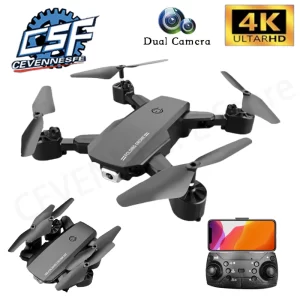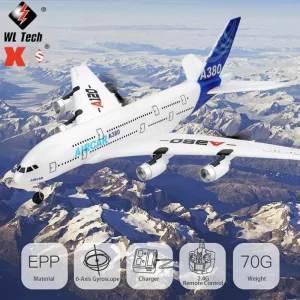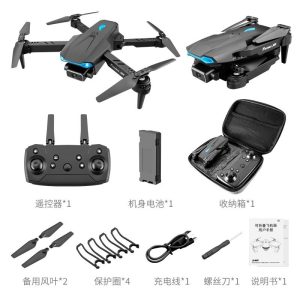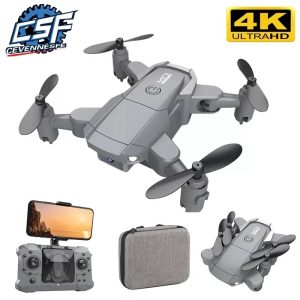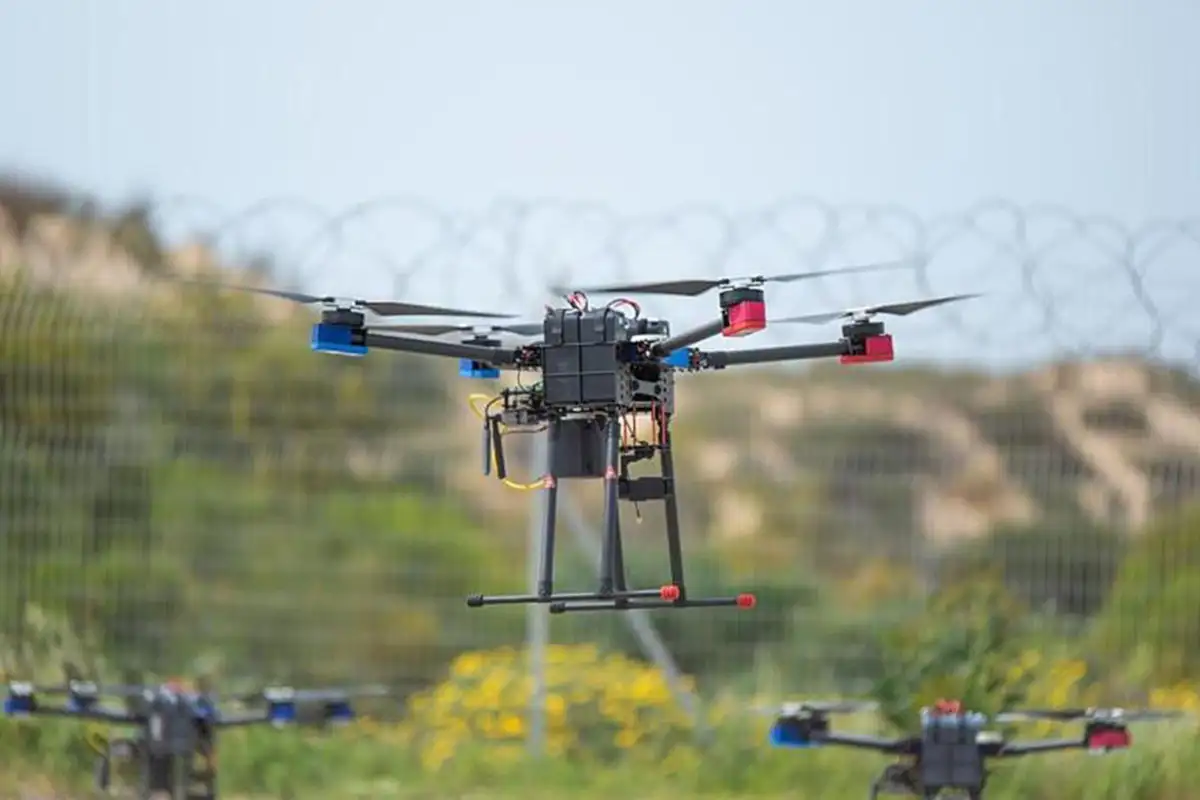
Unmanned Aerial Vehicles (UAVs), commonly known as drones, have undergone a rapid evolution in recent years. Originally developed for military purposes, drones are now widely used in various industries, from filmmaking and agriculture to search and rescue operations. Today, drones are equipped with advanced features such as obstacle avoidance systems and autonomous flight modes, making them more versatile and user-friendly than ever before. In this article, we will take a closer look at the evolution of UAV technology, from remote control to artificial intelligence.
Remote Control Drones
The first drones were operated by remote control, similar to a toy remote-controlled car or airplane. The operator had to manually control the drone’s flight path and adjust the altitude, direction, and speed. This type of drone was widely used for aerial photography and surveying, but it had limited functionality and was difficult to operate in challenging environments such as windy conditions or crowded spaces.
Autonomous Drones
The introduction of GPS technology in drones enabled them to become more autonomous, with the ability to automatically navigate to specific locations and perform pre-programmed tasks. This made drones more reliable and efficient, as they could operate in a wide range of environments without the need for constant human intervention. Autonomous drones are commonly used in industries such as agriculture, where they can be used to spray crops or monitor crop health.

Obstacle Avoidance Drones
One of the biggest challenges with drone technology is the risk of collision with other objects or obstacles. To address this issue, obstacle avoidance systems were developed, which use sensors and cameras to detect obstacles and adjust the drone’s flight path accordingly. This technology has greatly increased the safety and reliability of drones, making them more suitable for use in crowded areas such as cities or construction sites.
AI-Powered Drones
The latest generation of drones is equipped with artificial intelligence (AI) technology, which enables them to perform complex tasks such as autonomous flight, real-time image analysis, and even decision-making. AI-powered drones can be used in a wide range of applications, from package delivery to search and rescue operations. They can also be used in industries such as mining and construction, where they can be used to inspect and map large areas more quickly and accurately than humans.
Conclusion
The evolution of UAV technology has transformed the drone industry, making drones more versatile, reliable, and user-friendly than ever before. From remote control to artificial intelligence, drones have come a long way in a relatively short amount of time. As technology continues to evolve, it is likely that drones will become even more advanced and integrated into our daily lives.