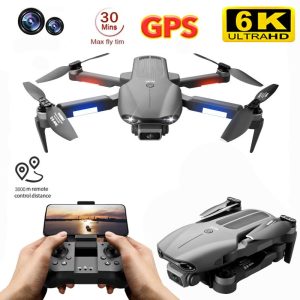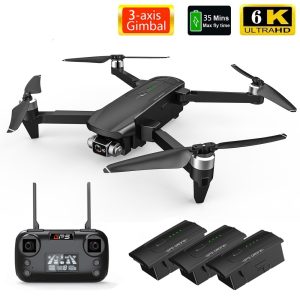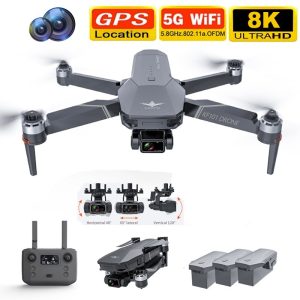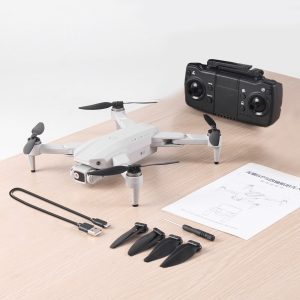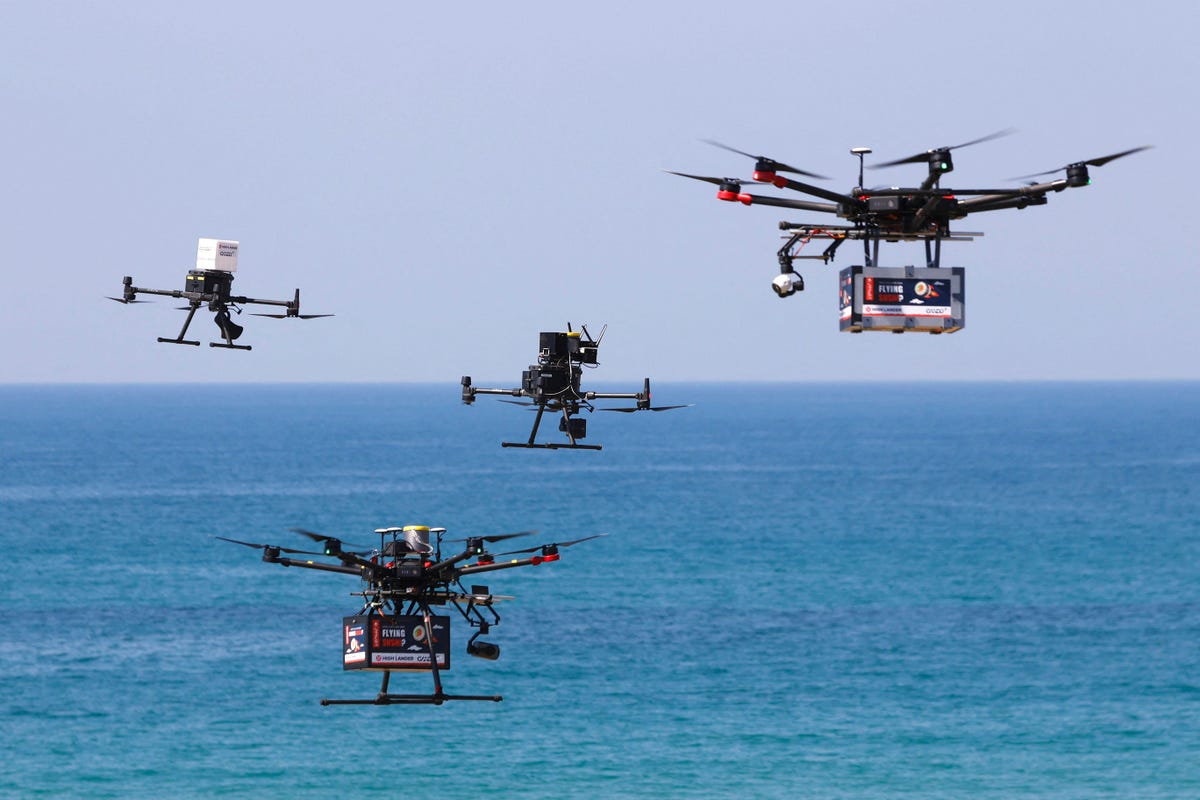
Unmanned aerial vehicles, or UAVs, are making waves in the aviation industry. Once seen as a novelty, these flying machines have transformed into powerful tools with a wide range of applications, from surveillance and mapping to search and rescue operations. As UAV technology continues to advance, their impact on the aviation industry is becoming increasingly significant. In this article, we will explore the ways in which UAVs are disrupting the skies and changing the aviation industry as we know it.
Advancements in UAV technology have made them a popular choice for a variety of applications. One of the key benefits of UAVs is their ability to operate in areas that are inaccessible or dangerous for humans. They can be used to inspect and maintain infrastructure, such as pipelines and power lines, without the need for workers to be put at risk. This has led to a surge in the use of UAVs in the oil and gas industry, where they are used for inspection and maintenance tasks, as well as for monitoring the environmental impact of operations.
Another major application of UAVs is in the field of aerial photography and surveying. UAVs can capture high-quality images and data from the air, providing valuable insights and information for a range of industries. They are used in agriculture to monitor crops and optimize irrigation, in construction for surveying and mapping, and in the film and media industry for aerial cinematography.
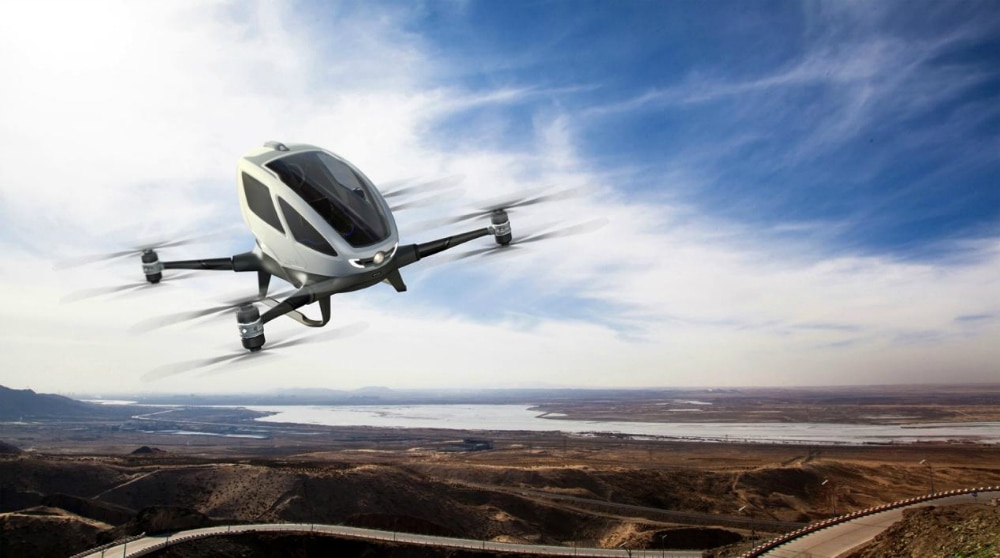
UAVs are also being used for search and rescue operations, particularly in difficult terrain or disaster zones where traditional search and rescue methods may be impractical or dangerous. UAVs equipped with thermal imaging cameras and other sensors can quickly scan large areas and locate missing persons or survivors.
Despite the many benefits of UAVs, their rise has not been without challenges. One of the biggest concerns with UAVs is their impact on aviation safety. UAVs can interfere with traditional aviation operations, and there have been several incidents where UAVs have come dangerously close to manned aircraft. In response, aviation authorities around the world have been working to regulate the use of UAVs and ensure that they are integrated safely into the airspace.
Privacy is another concern associated with UAVs. With the ability to capture high-quality images and video from the air, there are concerns about the potential for UAVs to be used for surveillance and spying. As such, there have been calls for regulations to limit the use of UAVs in certain areas, such as around private property and public spaces.
Another challenge facing the UAV industry is the need for skilled operators and maintenance personnel. As the use of UAVs expands, there is a growing demand for trained operators and technicians who can operate and maintain these machines safely and efficiently.
Despite these challenges, the potential benefits of UAVs are too great to ignore. As the technology continues to advance and the regulations around their use become more clear, it is likely that UAVs will become increasingly common in a wide range of industries. With the ability to operate in difficult or dangerous environments and collect data from the air, UAVs are revolutionizing the way we think about aviation and opening up new possibilities for businesses and organizations around the world.
In conclusion, UAVs are transforming the aviation industry and disrupting the skies. With their wide range of applications, from surveillance and inspection to search and rescue operations, UAVs are becoming an increasingly important tool for businesses and organizations around the world. While there are challenges to overcome, the potential benefits of UAVs are too great to ignore, and we can expect to see more and more of these flying machines in the skies in the years to come.