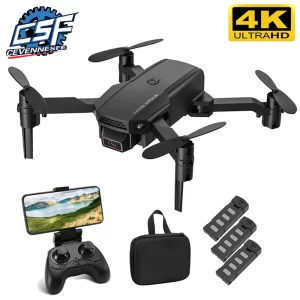
Autonomous drones, equipped with cutting-edge technology and artificial intelligence, are transforming the capabilities and applications of unmanned aerial vehicles (UAVs). These self-piloting drones are reshaping industries and unlocking new possibilities for businesses and individuals alike. In this article, we delve into the rise of autonomous drones, exploring their potential, benefits, and the challenges they present. From autonomous delivery and surveillance to emergency response and infrastructure inspection, these intelligent flying machines are set to revolutionize various sectors in the near future.
Autonomous Delivery :
Autonomous drones have the potential to revolutionize the delivery industry by providing efficient and cost-effective solutions. Companies like Google’s Wing and Amazon Prime Air are already testing autonomous delivery drones that can transport packages directly to customers’ doorsteps. With advanced navigation systems, obstacle avoidance technology, and precise GPS tracking, these drones can navigate complex urban environments and deliver packages with minimal human intervention. Autonomous delivery drones promise faster delivery times, reduced transportation costs, and enhanced customer convenience.
Surveillance and Security :
Autonomous drones are reshaping the surveillance and security industry by offering efficient and reliable monitoring capabilities. Equipped with advanced cameras, thermal imaging sensors, and facial recognition technology, these drones can autonomously patrol designated areas, identify potential threats, and send real-time alerts to security personnel. They can be used for perimeter security, crowd monitoring, and emergency response. Autonomous surveillance drones provide a cost-effective and efficient alternative to traditional security measures, enhancing public safety and reducing the need for constant human monitoring.
Emergency Response and Disaster Management :
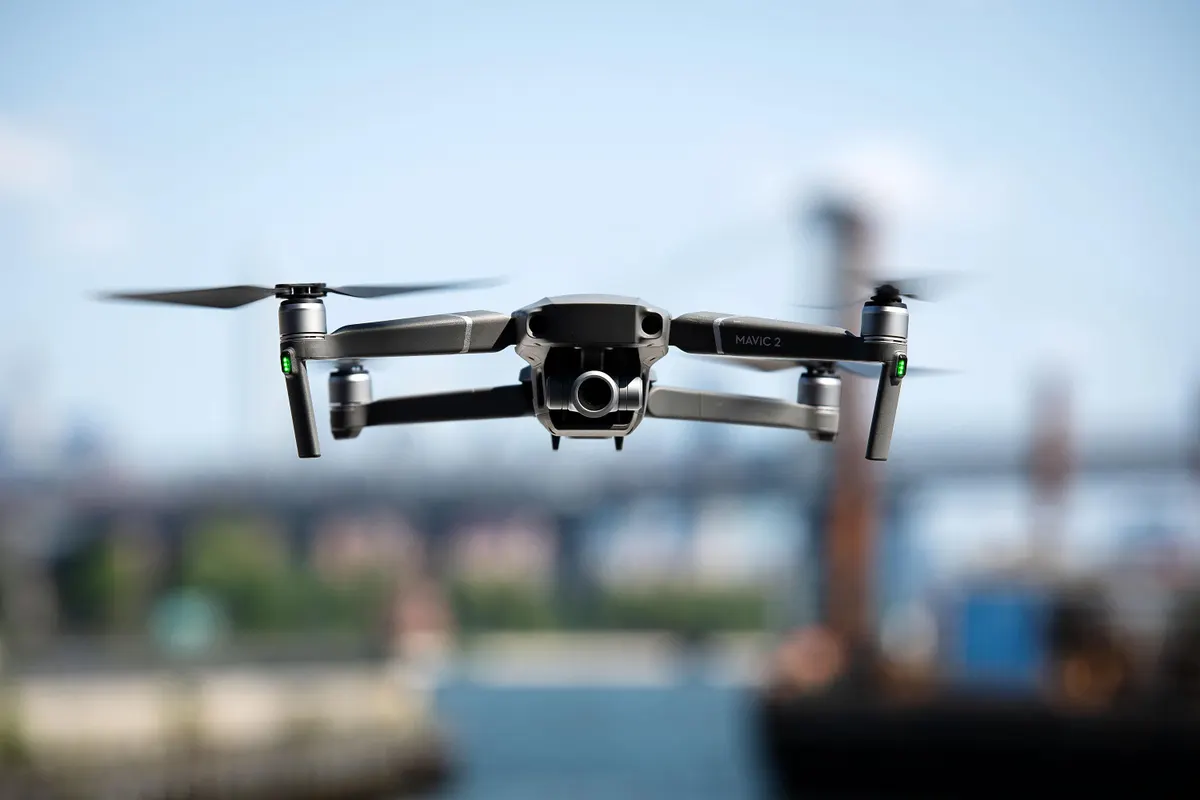
Autonomous drones are playing a crucial role in emergency response and disaster management. During natural disasters or humanitarian crises, these drones can be deployed quickly to assess damage, locate survivors, and deliver essential supplies. Equipped with sensors and high-resolution cameras, they provide real-time situational awareness to emergency responders, enabling them to make informed decisions and prioritize resources. Autonomous drones can access hard-to-reach areas, gather valuable data, and assist in search and rescue operations. Their speed, agility, and autonomy make them valuable assets in critical situations where human intervention may be limited or dangerous.
Infrastructure Inspection :
Autonomous drones are revolutionizing infrastructure inspection processes, offering safer and more efficient solutions. With advanced imaging technology and onboard sensors, these drones can autonomously inspect bridges, power lines, pipelines, and other critical infrastructure. They can capture detailed imagery, identify structural abnormalities, and detect potential issues such as corrosion or damage. Autonomous inspection drones reduce the need for manual inspections, which can be time-consuming, costly, and pose safety risks for human inspectors. By conducting thorough and regular inspections, these drones help ensure the integrity and longevity of infrastructure assets.
Environmental Monitoring :
Autonomous drones are becoming valuable tools for environmental monitoring and conservation efforts. Equipped with specialized sensors and equipment, they can gather data on air quality, water pollution, deforestation, and wildlife populations. These drones can autonomously collect data from vast areas, providing valuable insights for environmental researchers and policymakers. They can aid in monitoring the effects of climate change, identifying environmental threats, and supporting conservation initiatives. Autonomous drones enable scientists to gather data more efficiently and on a larger scale, contributing to better understanding and protection of our environment.
Conclusion :
The rise of autonomous drones marks a new era in unmanned aerial vehicles, with vast implications for industries and society as a whole. From delivery and surveillance to emergency response and environmental monitoring, these intelligent flying machines are reshaping various sectors. As technology continues to advance and regulations evolve, autonomous drones will become more accessible, efficient, and integrated into our daily lives. Embracing this technology opens up exciting opportunities for businesses, governments, and individuals, but it also brings challenges related to safety, privacy, and regulatory frameworks. The future of autonomous drones holds immense potential for innovation and positive societal impact, as we navigate the complex landscape of unmanned aerial vehicles.