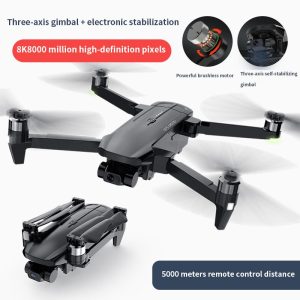
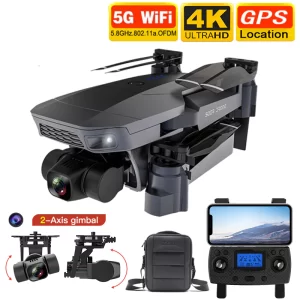
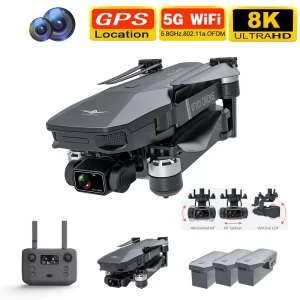
Unmanned Aerial Vehicles (UAVs), commonly known as drones, have been rapidly adopted by law enforcement agencies around the world. Police drones provide a range of capabilities, from surveillance and search-and-rescue missions to crime scene analysis and crowd control. However, their use has also sparked controversy due to concerns over privacy and civil liberties. In this article, we will explore the pros and cons of using UAVs in law enforcement.
Pros of Police Drones
- Enhanced Situational Awareness: Police drones can provide real-time intelligence to law enforcement officers on the ground. They can be equipped with high-resolution cameras and thermal imaging sensors that can detect suspects, track their movements, and provide officers with a bird’s eye view of the crime scene. This can help officers make informed decisions and respond quickly to emergencies.
- Increased Safety for Officers and Citizens: UAVs can be used to survey dangerous or inaccessible areas without putting officers or citizens at risk. They can also be used to locate missing persons or suspects without the need for dangerous foot chases.
- Cost-Effective: Police drones are significantly cheaper than helicopters and other traditional forms of aerial surveillance. They can be quickly deployed and require fewer personnel to operate.
- Rapid Response: UAVs can be launched quickly in response to emergencies and can be used to provide immediate situational awareness. This can help law enforcement officers respond more effectively to emergencies and minimize damage.
Cons of Police Drones
- Privacy Concerns: The use of police drones has raised significant privacy concerns. Drones can capture high-resolution images and videos that could potentially violate citizens’ Fourth Amendment rights. Without proper regulation, police drones could be used to conduct mass surveillance, monitoring citizens without their knowledge or consent.
- Civil Liberties Concerns: The use of police drones has also raised concerns about civil liberties. Without proper regulation, police drones could be used to track the movements of citizens without a warrant or reasonable suspicion, potentially violating their rights to privacy and due process.
- Technical Limitations: Police drones have technical limitations that could impact their effectiveness in certain situations. They can be affected by inclement weather, and their battery life limits their flight time. In addition, they can be susceptible to jamming and hacking, which could compromise their ability to provide situational awareness.
- Public Perception: The use of police drones can be perceived negatively by the public, particularly if they are used for mass surveillance or other intrusive activities. This can damage public trust in law enforcement and create community tension.
Conclusion
The use of UAVs in law enforcement has both pros and cons. While police drones can provide enhanced situational awareness, increased safety, and cost-effectiveness, they also raise significant concerns over privacy, civil liberties, technical limitations, and public perception. It is important that law enforcement agencies establish clear guidelines and regulations for the use of drones to ensure that they are used ethically and responsibly. By doing so, they can leverage the benefits of UAVs while minimizing their potential negative impact on citizens’ rights and civil liberties.