Unmanned Aerial Vehicles (UAVs), commonly known as drones, have emerged as powerful tools in search and rescue operations, significantly enhancing the capabilities of rescue teams worldwide. With their agility, speed, and advanced technology, UAVs are revolutionizing the way search and rescue missions are conducted. From locating missing individuals and delivering essential supplies to providing real-time situational awareness, UAVs are transforming the search and rescue landscape, reducing response times, and increasing the chances of survival for those in distress.
Rapid Deployment and Surveillance :
Time is of the essence in search and rescue operations, and UAVs provide a rapid deployment solution. Drones can quickly take off from a designated launch point and cover large areas within a short timeframe. Equipped with high-resolution cameras and thermal imaging sensors, UAVs can provide real-time surveillance, allowing rescuers to spot individuals in distress or locate survivors in challenging terrains, such as dense forests or mountainous regions. This surveillance capability enhances the efficiency and effectiveness of search operations, enabling timely interventions and increasing the likelihood of successful rescues.
Remote Sensing and Data Collection :
UAVs equipped with specialized sensors can gather valuable data that aids in search and rescue efforts. LiDAR technology, for instance, can create detailed 3D models of terrains, helping rescuers to identify potential hazards or assess inaccessible areas. Furthermore, thermal imaging sensors can detect body heat, assisting in locating individuals who may be difficult to spot visually. The data collected by UAVs offers valuable insights into the terrain and the location of those in need, guiding rescue teams in their decision-making process and improving search accuracy.
Safe and Cost-Effective Operations :
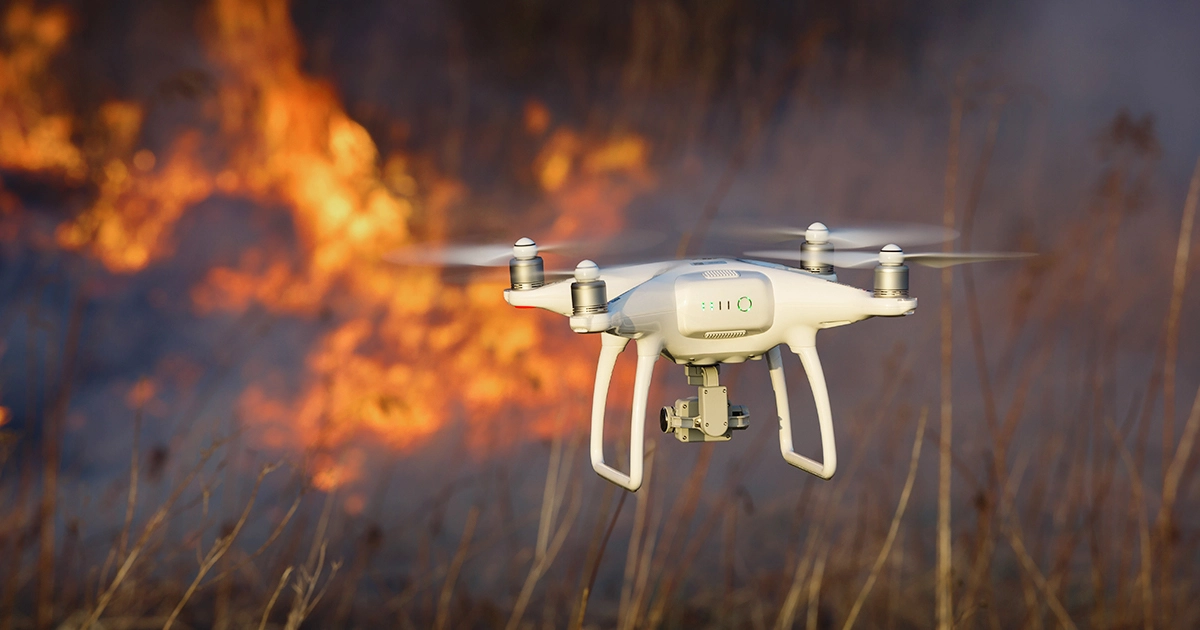
Deploying UAVs in search and rescue operations can significantly reduce risks to human rescuers. Sending drones to survey hazardous or hard-to-reach areas minimizes the need for ground personnel to enter potentially dangerous environments. This enhances the safety of rescue teams while still maintaining an active and effective response. Additionally, utilizing UAVs is cost-effective compared to traditional search and rescue methods, which may involve extensive manpower, equipment, and resources. The affordability and accessibility of drones enable agencies with limited budgets to implement UAVs in their rescue operations, expanding the reach of lifesaving efforts.
Delivery of Essential Supplies :
UAVs have demonstrated their value in delivering essential supplies during search and rescue missions. In scenarios where immediate assistance is required, drones can transport medical supplies, food, or communication devices to those in distress. This capability is especially vital in remote areas or during natural disasters when traditional access routes may be disrupted. UAVs equipped with payload delivery systems have the potential to bridge the gap between rescuers and those in need, ensuring critical supplies reach them promptly.
Post-Disaster Damage Assessment :
Following natural disasters or emergencies, UAVs play a crucial role in post-disaster damage assessment. They can rapidly survey affected areas and provide detailed aerial imagery, helping authorities assess the extent of the damage and plan appropriate response strategies. The data collected by UAVs assists in identifying areas that require urgent attention and prioritizing rescue and relief efforts. The efficiency and accuracy of UAVs in damage assessment contribute to quicker recovery and reconstruction processes.
Unmanned Aerial Vehicles have become invaluable assets in search and rescue operations, showcasing their lifesaving potential across the globe. The combination of rapid deployment, remote sensing capabilities, and payload delivery enables UAVs to enhance the effectiveness of rescue missions, reducing response times, and increasing the chances of survival for those in distress. As technology continues to advance, UAVs will only grow more sophisticated and versatile, further expanding their potential in search and rescue efforts. By embracing UAV technology, rescue teams can embrace new possibilities, saving more lives, and mitigating the impact of emergencies and disasters.