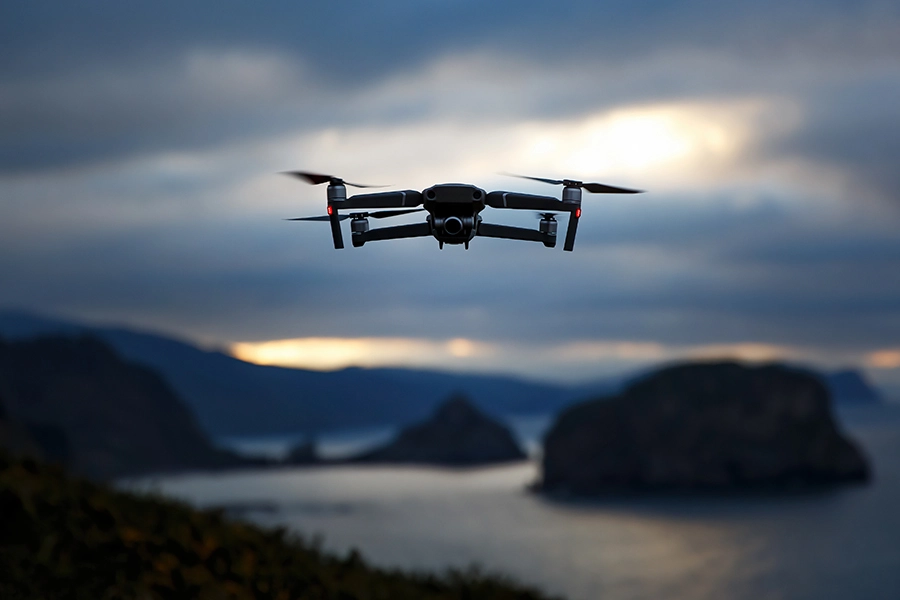
Unmanned Aerial Vehicles (UAVs), commonly known as drones, have become increasingly popular in recent years, and not just for recreational use. These versatile machines are also being used for a variety of practical applications, including wildlife conservation. With their ability to quickly cover large areas of land and provide detailed images and data, UAVs have become an invaluable tool for researchers and conservationists who are working to protect endangered species.
One of the main benefits of using UAVs in wildlife conservation is their ability to survey large areas of land quickly and efficiently. This can be especially useful in areas that are difficult to access on foot or by vehicle. UAVs equipped with high-resolution cameras can capture images and video of wildlife populations, allowing researchers to monitor their behavior and track their movements.
UAVs can also be used to collect data on wildlife populations, including their size, distribution, and habitat use. This data can be used to inform conservation efforts, such as habitat restoration and population management. For example, researchers studying the endangered black rhino in Africa are using UAVs to survey the animals and track their movements, which is helping to inform efforts to protect the species from poaching and habitat loss.
In addition to surveying wildlife populations, UAVs can also be used to monitor and manage wildlife habitats. For example, drones equipped with thermal imaging cameras can be used to locate and track the movements of animals, such as elephants and rhinos, that are active at night. This information can be used to identify areas that are at high risk for poaching and other threats, allowing conservationists to prioritize their efforts and focus on protecting these areas.

UAVs can also be used to support anti-poaching efforts. Drones equipped with high-resolution cameras and infrared sensors can be used to monitor wildlife reserves and protected areas for illegal activities, such as poaching and habitat destruction. This information can be used to identify areas that are at high risk and to coordinate efforts to prevent these activities from occurring.
However, using UAVs in wildlife conservation is not without its challenges. One of the main challenges is the potential for disturbance to wildlife. UAVs can be noisy and may cause stress or disruption to animals, which can have negative impacts on their behavior and health. Conservationists must carefully consider the potential impacts of using drones and take steps to minimize any potential negative effects.
Another challenge is the cost and complexity of using UAVs. The technology can be expensive, and training and expertise are required to operate and maintain the equipment. In addition, regulations surrounding the use of drones can be complex and vary by region, which can make it difficult to use UAVs in certain areas.
Despite these challenges, the use of UAVs in wildlife conservation has the potential to revolutionize the way we protect endangered species and manage their habitats. As technology continues to improve and become more accessible, we can expect to see more and more conservation organizations incorporating UAVs into their work.
In conclusion, UAVs are becoming an increasingly important tool in the fight to protect endangered species and their habitats. With their ability to survey large areas quickly and efficiently, collect detailed data, and support anti-poaching efforts, drones are helping to revolutionize wildlife conservation. While there are certainly challenges to using UAVs in this context, the potential benefits are undeniable.