Unmanned aerial vehicles (UAVs), or drones, are becoming increasingly popular in a variety of industries, from agriculture to filmmaking. UAVs offer a range of benefits over traditional methods, such as increased efficiency and safety, and they can be used in a wide variety of applications. In this article, we’ll explore the basics of UAV operation, including how they work, how to operate them, and some of their common uses.
How UAVs Work
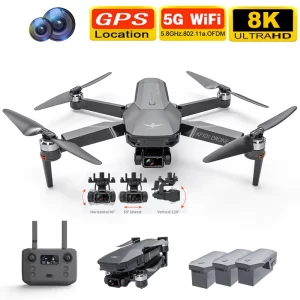
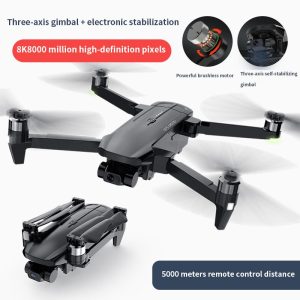
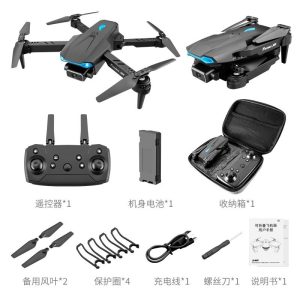
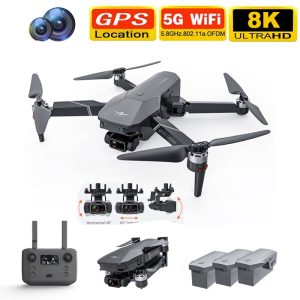
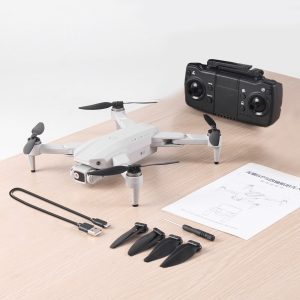
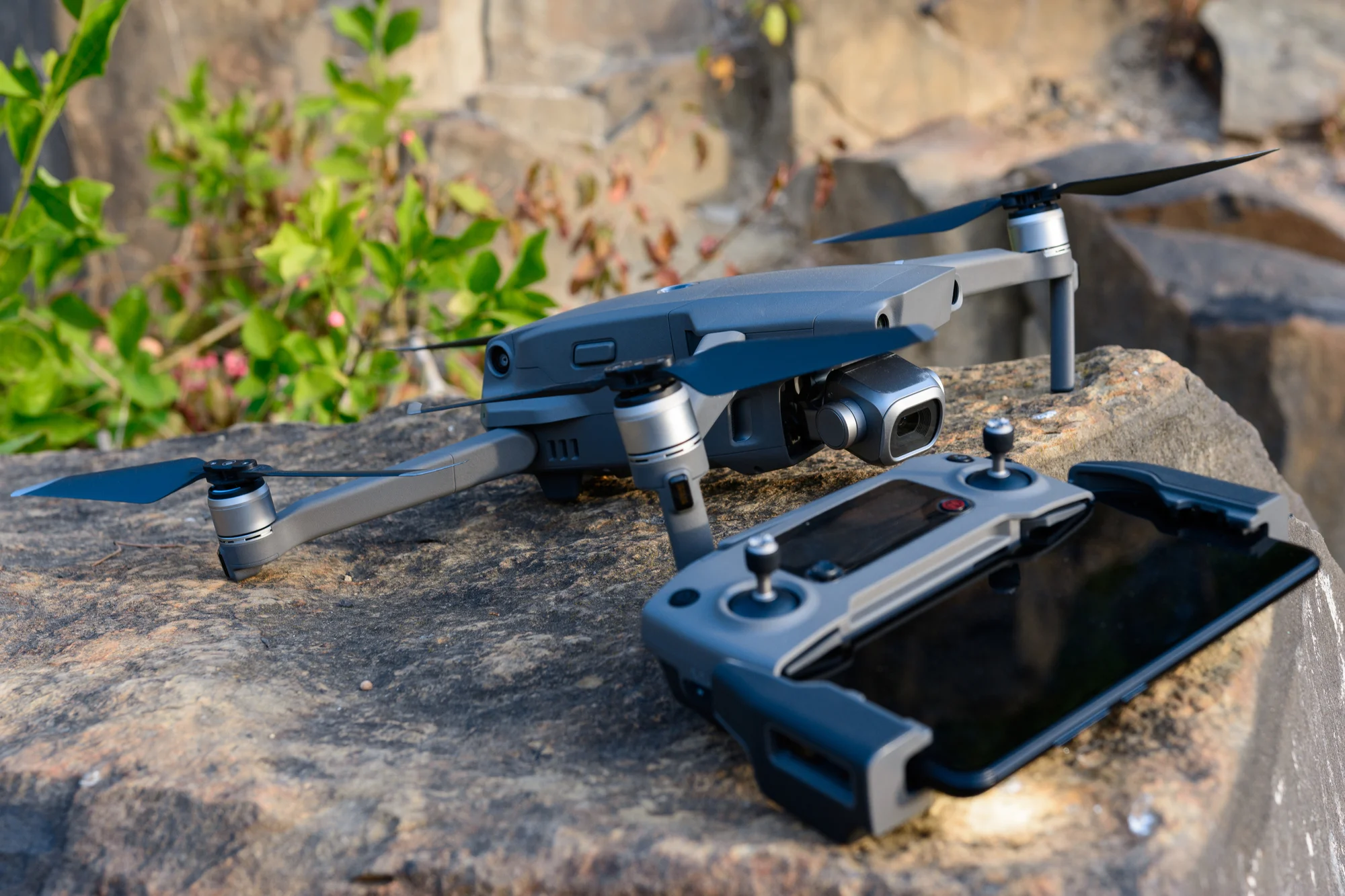
UAVs are essentially flying robots that are controlled remotely by a human operator. They are made up of four main components: the frame, the motors, the flight controller, and the battery. The frame is the physical structure of the UAV, while the motors provide the propulsion needed to make it fly. The flight controller is the brain of the UAV, controlling the motors and ensuring that it stays stable in the air. Finally, the battery provides the power needed to run the motors and the flight controller.
How to Operate a UAV
Operating a UAV requires a basic understanding of how it works, as well as some technical knowledge. The first step is to ensure that the UAV is properly calibrated and that the battery is fully charged. Once this is done, the operator can use a remote control to maneuver the UAV through the air. Some UAVs also come with pre-programmed flight paths or autonomous capabilities, which allow them to fly without human intervention.
UAVs are typically controlled through a combination of joysticks and buttons on a remote control. The left joystick is used to control the altitude and rotation of the UAV, while the right joystick is used to control its movement. Buttons on the remote control can be used to take pictures or videos, change flight modes, and activate other features.

Common Uses of UAVs
UAVs are used in a wide variety of industries and applications. One of the most common uses is in the field of agriculture, where they are used to survey crops and monitor plant health. UAVs can also be used for aerial mapping and surveying, allowing surveyors to get a bird’s-eye view of an area and create detailed maps.
Another popular use for UAVs is in filmmaking and photography. UAVs can be equipped with high-quality cameras, allowing filmmakers and photographers to capture stunning aerial shots that would be impossible to achieve with traditional equipment.
UAVs are also used in search and rescue operations, as they can cover large areas quickly and efficiently. They can be equipped with thermal imaging cameras and other sensors, making it easier to locate missing persons or identify areas that are difficult to access by other means.
Finally, UAVs are used by the military and law enforcement for reconnaissance and surveillance purposes. They can be used to gather intelligence on enemy positions or monitor traffic and crowds during public events.
Conclusion
UAVs are becoming increasingly popular in a wide variety of industries and applications. They offer a range of benefits over traditional methods, including increased efficiency, safety, and versatility. While operating a UAV requires some technical knowledge, it is a relatively simple process that can be learned with practice. Whether you’re a farmer looking to monitor your crops, a filmmaker in search of the perfect aerial shot, or a search and rescue worker trying to locate a missing person, UAVs are an invaluable tool that can help you achieve your goals quickly and efficiently.