Commercial drones have rapidly transformed various industries, offering unprecedented opportunities for efficiency and innovation. However, like any technology, they are not immune to failures and setbacks. In this article, we explore the reasons why commercial drones are prone to failure. From technical limitations and human errors to environmental factors and regulatory constraints, understanding these challenges is crucial for enhancing drone reliability and safety. By addressing these issues, we can unlock the full potential of commercial drones and ensure they continue to positively impact industries worldwide.
Technical Limitations :
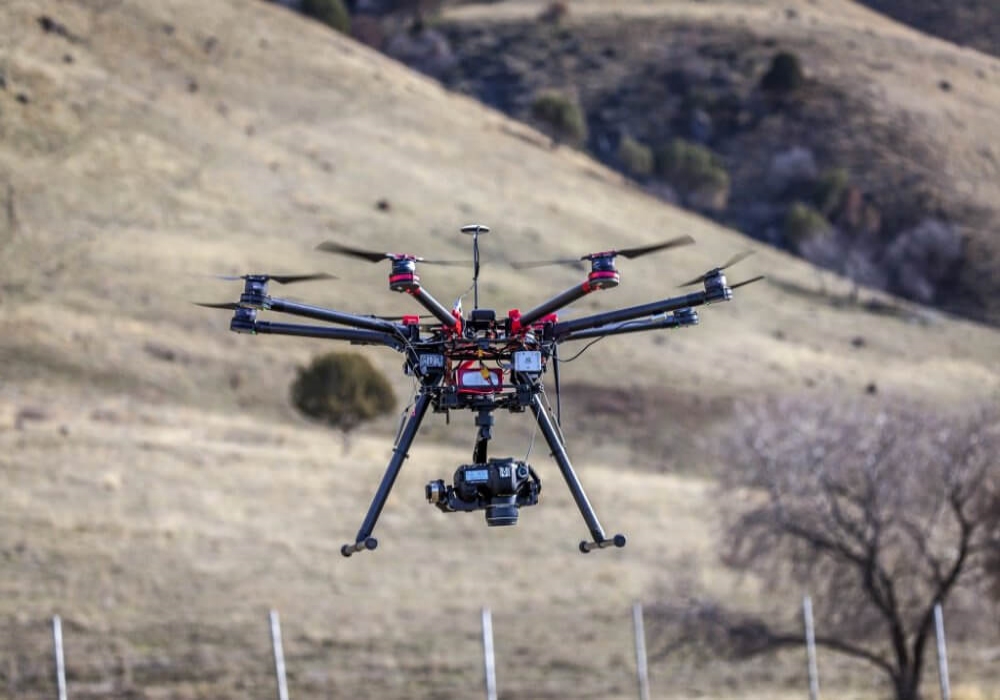
Commercial drones encompass complex systems that rely on numerous components, including motors, batteries, sensors, and communication systems. The integration of these technologies is susceptible to technical limitations, such as hardware failures, software glitches, and communication disruptions. Inadequate maintenance, manufacturing defects, or software bugs can compromise drone performance and lead to unexpected failures. As drones become more sophisticated, addressing these technical challenges becomes increasingly vital.
Human Errors :
The human element plays a significant role in drone operations. Pilots, operators, and maintenance personnel are responsible for critical decision-making and ensuring proper functioning. However, human errors, such as misinterpretation of data, lack of training, or even fatigue, can lead to accidents and failures. Proper training, standardized operating procedures, and improved human-machine interfaces are essential in reducing the impact of human errors on drone operations.
Environmental Factors :
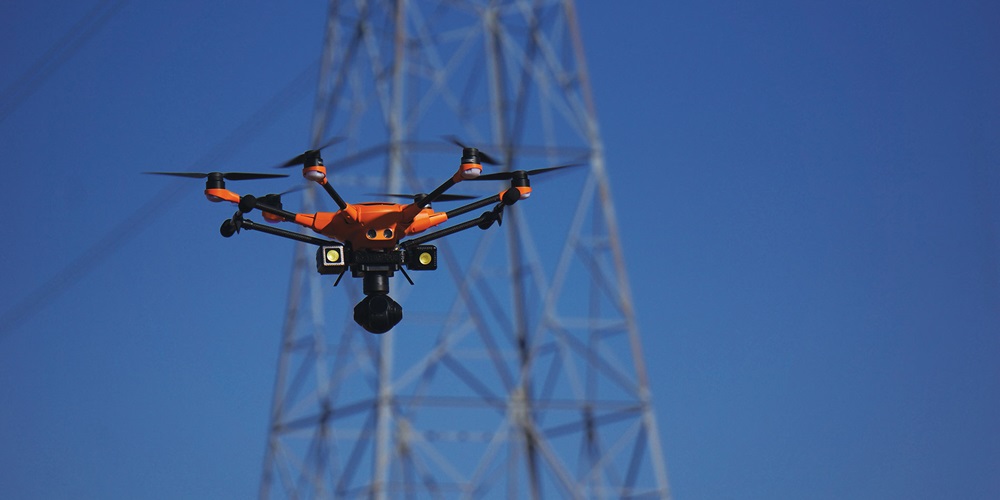
Environmental conditions significantly influence drone performance. Adverse weather, such as strong winds, rain, or extreme temperatures, can challenge drone stability and compromise flight safety. Dust, sand, or humidity can also impact drone components, leading to potential failures. Drone manufacturers and operators must consider these environmental factors and design drones that can withstand harsh conditions or implement appropriate safety protocols to prevent failures.
Battery Life and Endurance :
Limited battery life remains a significant challenge for commercial drones. Most drones have a restricted flight time due to the limitations of current battery technology. This constraint affects their operational range and ability to undertake long-duration missions. Improving battery technology, exploring alternative power sources, and optimizing energy consumption are critical areas for research and development to enhance drone endurance.
Regulatory Constraints :
The evolving regulatory landscape for drones can pose challenges for commercial operations. Compliance with airspace regulations, privacy laws, and certification requirements can be complex and time-consuming. Frequent changes in regulations may also impact the use of certain drone technologies, limiting their application in specific industries. Collaboration between industry stakeholders and regulators is essential to strike a balance between innovation and ensuring safety and security in drone operations.
Cybersecurity Risks :
As drones become more interconnected and rely on communication networks, they become vulnerable to cybersecurity threats. Unauthorized access to a drone’s control system or data can compromise its integrity and pose significant risks, including unauthorized flights or data breaches. Implementing robust cybersecurity measures and encryption protocols is crucial in safeguarding drones against potential cyber-attacks.
Collision Avoidance and Sense-and-Avoid Technology :
Avoiding collisions is critical to ensure the safety of commercial drones, especially in urban environments or when operating in close proximity to people or objects. Sense-and-avoid technology remains a challenging aspect of drone development. The integration of advanced collision avoidance systems, such as computer vision and LiDAR technology, is crucial for ensuring safe autonomous flight.
Conclusion :
Commercial drones have the potential to revolutionize industries and improve various aspects of our lives. However, understanding the challenges they face is crucial for advancing drone technology and ensuring their safe and reliable integration into society. By addressing technical limitations, mitigating human errors, considering environmental factors, and meeting regulatory requirements, we can create